Get Full Government Meeting Transcripts, Videos, & Alerts Forever!
Get email alerts on the S.465 topic
No spam. Unsubscribe anytime.
Committee hearing outlines S.465 to expand tribal access to missing-person systems and BIA supports for officers
Summary
A Senate hearing reviewed S.465, which sponsors say would expand tribal access to national missing- and unidentified-person systems, improve criminal-justice data collection in Indian Country, allow the BIA to conduct background checks, and authorize culturally appropriate mental-health services for tribal officers.
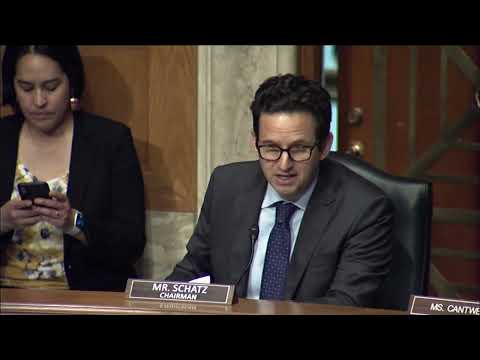
A Senate committee hearing reviewed S.465, which sponsors described as a package to strengthen tribal access to national missing- and unidentified-person systems and improve criminal-justice data collection in Indian Country. Unidentified Speaker opened the session by saying the bill was introduced by Senators Cortez Masto and Hovind and framed it as part of efforts to address the missing and murdered Indigenous people (MMIP) crisis.
Supporters at the hearing described S.465 as primarily focused on data and support services. According to the committee’s opening remarks, the bill would increase tribal access to the national missing-and-unidentified-person system and related databases, and would improve systems for collecting and sharing criminal-justice data in Indian Country. The speaker said the legislation would also authorize the Bureau of Indian Affairs (BIA) to conduct its own background checks for tribal hires and to provide culturally appropriate mental-health services aimed at reducing officer burnout.
Committee staff noted a recent public safety listening session that drew more than 600 participants; the moderator said commenters “overwhelmingly listed MMIP and law enforcement officer recruitment and retention challenges as among their top priorities.” The hearing then invited testimony from witnesses and committee members to discuss implementation details and potential gaps in federal support.
No vote or formal committee action on S.465 was recorded in the hearing transcript. The next steps described at the close of the opening remarks were the presentation of testimony from invited witnesses and, if necessary, further committee questioning to clarify how the bill’s provisions would be implemented in coordination with tribal governments and federal agencies.