Lifetime Citizen Portal Access — AI Briefings, Alerts & Unlimited Follows
Witness tells Senate committee redress process leaves wrongly listed people without answers
Loading...
Summary
A witness told the Senate Committee on Homeland Security and Governmental Affairs that the federal terrorist watchlist redress system often fails to explain why people are listed, returns vague responses and lacks sufficient oversight; he urged a streamlined, proactive redress system and better data from CBP and TSA.
Mister Ayoob, testifying before the Senate Committee on Homeland Security and Governmental Affairs, said the federal redress process for people who believe they were wrongly placed on terrorism-related watchlists "doesn't always work" and often fails to explain why someone was added.
Ayoob told committee members that applicants typically "fill out your information online and you get a letter back saying, some vague language like 'we've received it. We can neither confirm nor deny that you're on a list.'" He said the process usually does not provide a reason for placement or a definitive final decision and recommended creating a more streamlined due-process pathway that would allow proactive removals when appropriate.
The witness outlined operational fixes he said would reduce errors and speed relief. He recommended building or expanding a streamlined DHS redress mechanism, creating proactive outreach for people likely to have been misidentified, and purging clearly outdated entries such as deceased individuals or children mistakenly entered years ago. "When we can identify that one piece of information or that one agent that placed that piece of information in there and then have a conversation with them...once that piece of information is removed then the issue is gone," he said.
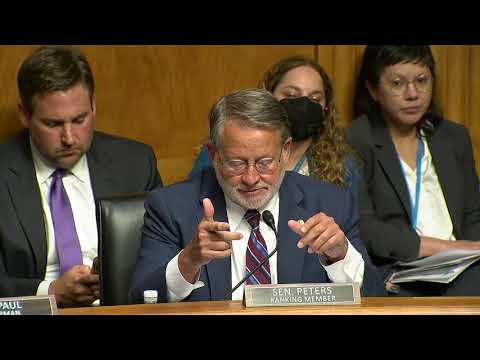
Committee questioning focused on two data and oversight gaps. An unidentified committee member pressed for better data from U.S. Customs and Border Protection and the Transportation Security Administration across the many screening programs, arguing that comprehensive data are necessary "to understand whether these processes are effective and whether there's bias, intentional or not." Ayoob agreed, saying access to structured data would make it possible to identify trends — for example, whether additions disproportionately affect people of certain political views — and to develop policies to reduce bias and errors.
The questioner also raised oversight concerns, saying most current oversight is internal to the Department of Homeland Security — including the Office for Civil Rights and Civil Liberties, the Privacy and Civil Liberties Oversight Board and inspectors general — and asserting the administration had significantly reduced that oversight. Ayoob told the committee oversight is "very important" and warned that problems would be worse with less oversight than under a fully functional oversight office.
The exchange recorded in the transcript consisted of testimony and follow-up questioning; no formal vote or committee action is shown in the provided segment. Committee members and the witness called for legislative or administrative reforms focused on data transparency, clearer explanations for listings, and operational steps to remove erroneous entries.