Get Full Government Meeting Transcripts, Videos, & Alerts Forever!
Get email alerts on the Emergency Services topic
No spam. Unsubscribe anytime.
Polk County fire marshal details differing medical capabilities across volunteer departments
Summary
The county fire marshal reported three tiers of medical response among Polk County volunteer fire departments, named departments in each tier, and said several departments have declined medical call response since Jan. 15, 2025, raising coordination questions for emergency services.
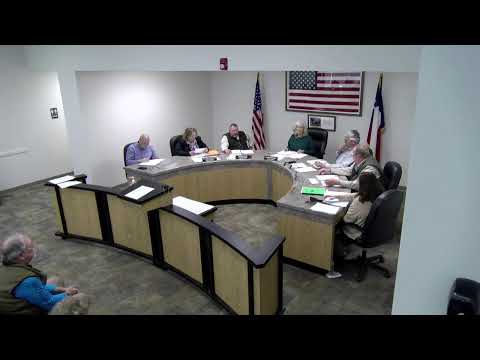
The Polk County fire marshal told commissioners that volunteer fire departments in the county operate with three different levels of medical capability, a distinction that affects how and when departments respond to medical emergencies. The marshal, speaking during an informational follow-up to his annual report, identified a set of departments certified to operate under physician protocols and others limited to first aid or first-responder activities.
The marshal said, “I mentioned that there were 3 types of departments operating in Polk County,” and listed the departments he classified in each tier, noting Livingston, Alaskan and Saint Luke among those operating under physician protocols and naming several others as limited to basic first-aid response. He said some departments have chosen not to respond to medical calls and that several status changes have been in place since Jan. 15, 2025.
Commissioners asked clarifying questions about how long some departments had been declining medical calls; one commissioner said some of the restrictions had persisted “for decades,” while the marshal said some status changes were more recent. The marshal also explained that departments licensed with the Texas Department of State Health Services operate under protocols provided by a licensed physician; departments not licensed in that way provide basic life-support measures such as CPR.
The presentation was described as a follow-up to the fire marshal’s annual report and was framed as an attempt to clear up past confusion about which volunteer units are dispatched to medical calls. The marshal invited questions and said the county emergency response picture would be clearer once department statuses were fully documented.
Next steps: commissioners did not take a formal vote on policy during the presentation; the report functions as an informational briefing that may inform future operational or mutual-aid decisions.