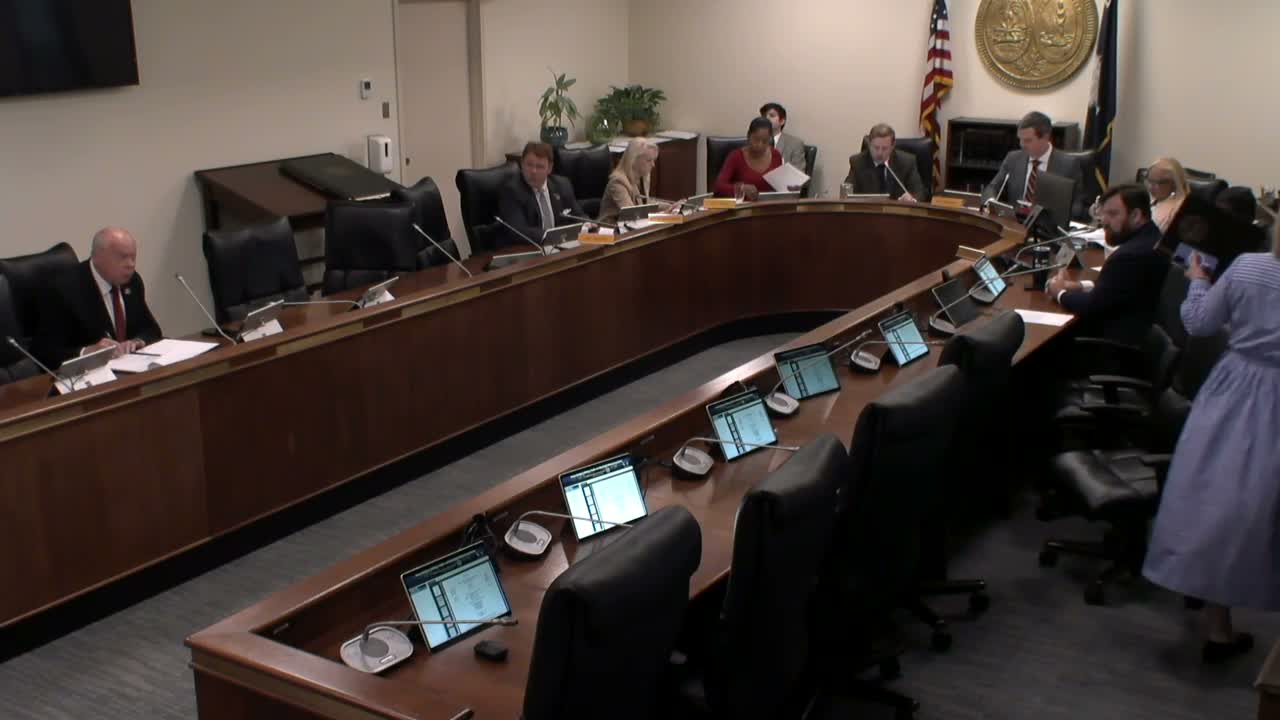
Panel advances measure authorizing collaborative practice agreements for pharmacists and physicians
Loading...
Summary
Senate Bill S449, which authorizes written collaborative practice agreements and requires joint protocols and shared records access, passed the subcommittee after an amendment addressing CLIA‑waived tests and a 90‑day protocol timeline; regulators asked for more time but the committee retained 90 days.
A Medical and Health Affairs subcommittee advanced Senate Bill S449, a bill to authorize written collaborative practice agreements between pharmacists and physicians and to add related definitions to the Pharmacy Practice Act and Physician Licensing Chapter.
The bill would allow pharmacists and physicians licensed and practicing in the state to enter written agreements that set out a plan for medication management and delegated patient care services. The measure requires shared access to the same electronic medical record system or a HIPAA‑compliant alternative and directs the board of pharmacy and the board of medical examiners to promulgate implementing regulations; the bill prohibits implementation until those regulations are effective.
An amendment discussed at the hearing would expand the pharmacy practice definition to include CLIA‑waived tests authorized by the FDA (citing influenza, SARS‑CoV‑2 and streptococcal pharyngitis) and would permit initiation of treatment under identical joint written protocols issued by the board of medical examiners and the board of pharmacy within 90 days of the act’s effective date.
Brian Clark, CEO of the South Carolina Pharmacy Association, said the association supports improving patient access and collaboration but cautioned that complex protocol structures can impede implementation; "We strongly support improving patient access and strengthening collaboration between physicians and pharmacists," he told the committee.
Officials from LLR and the board of pharmacy said the 90‑day deadline could be tight: Virginia Wetzel said there are roughly 1,400 CLIA‑waived tests to review and asked that the period be extended to six months to allow both boards time to meet and approve protocols. Casey Shealy, board executive for the board of pharmacy, said boards can call meetings and use committees to accelerate work, and the chair indicated willingness to leave further timing to full committee review. The amendment and the bill as amended passed on roll calls recorded 'Aye' by Mister Beach, Mister Montgomery, Mister Moore and Mister Sessions.
Next steps: S449 will proceed to full committee/floor consideration; the boards named in the bill will be responsible for drafting and approving protocols and regulations before the bill can be implemented.