
Subcommittee backs bill letting long‑term care residents predesignate visitors during emergencies
Get AI-powered insights, summaries, and transcripts
Subscribe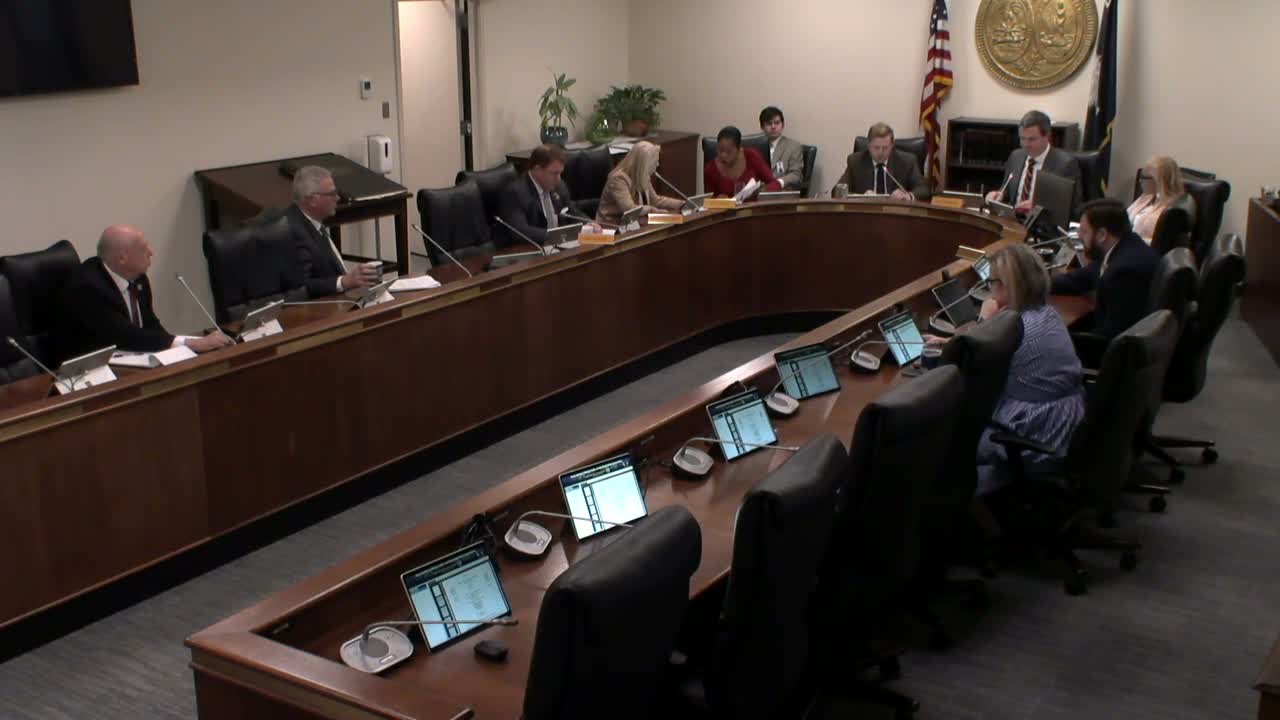
Summary
Senate Bill S146 passed the subcommittee after testimony from nursing‑home leaders and family members; the bill allows residents to name up to three designated visitors (one at a time) during declared emergencies and an amendment exempts clergy from the visitor limit.
A Medical and Health Affairs subcommittee voted to advance Senate Bill S146, a bill authorizing residents of long‑term care facilities to predesignate up to three people who must be allowed to visit during a declared emergency or public health crisis. The subcommittee also approved an amendment designating clergy as essential visitors who would not count toward the three‑person limit.
Randy Lee, president and CEO of the South Carolina Healthcare Association, representing approximately 175 nursing homes, told the committee his board voted 15–0 in support of the measure and argued that visitation—restricted during the COVID‑19 pandemic—affects residents’ health and quality of care. "One of the worst things we ever saw was not being able to allow our family members to come and visit during Covid," Lee said.
Family testimony underscored that point. Karen Heitman described the experience of her mother, Mary Blankenship, who was isolated during pandemic restrictions and later died after what Heitman described as severe malnutrition and bed sores; she urged the committee to pass the bill so families can monitor care.
Representative Beach offered an amendment to exempt clergy from counting toward the three designated visitors, explaining the change would ensure spiritual support at critical times. The amendment and the bill as amended passed on roll calls recorded as 'Aye' by Mister Beach, Miss Davis, Mister Montgomery, Mister Moore and Mister Sessions.
The bill now advances from subcommittee and will proceed through the chamber’s committee/floor process. Supporters argued the change would restore family oversight during emergencies; no formal opposition was recorded in the subcommittee testimony.
Next steps: S146 will move to subsequent legislative consideration per regular floor scheduling.