
Hochul budget targets auto fraud and litigation as insurance chairs press for data on rate relief
Get AI-powered insights, summaries, and transcripts
Subscribe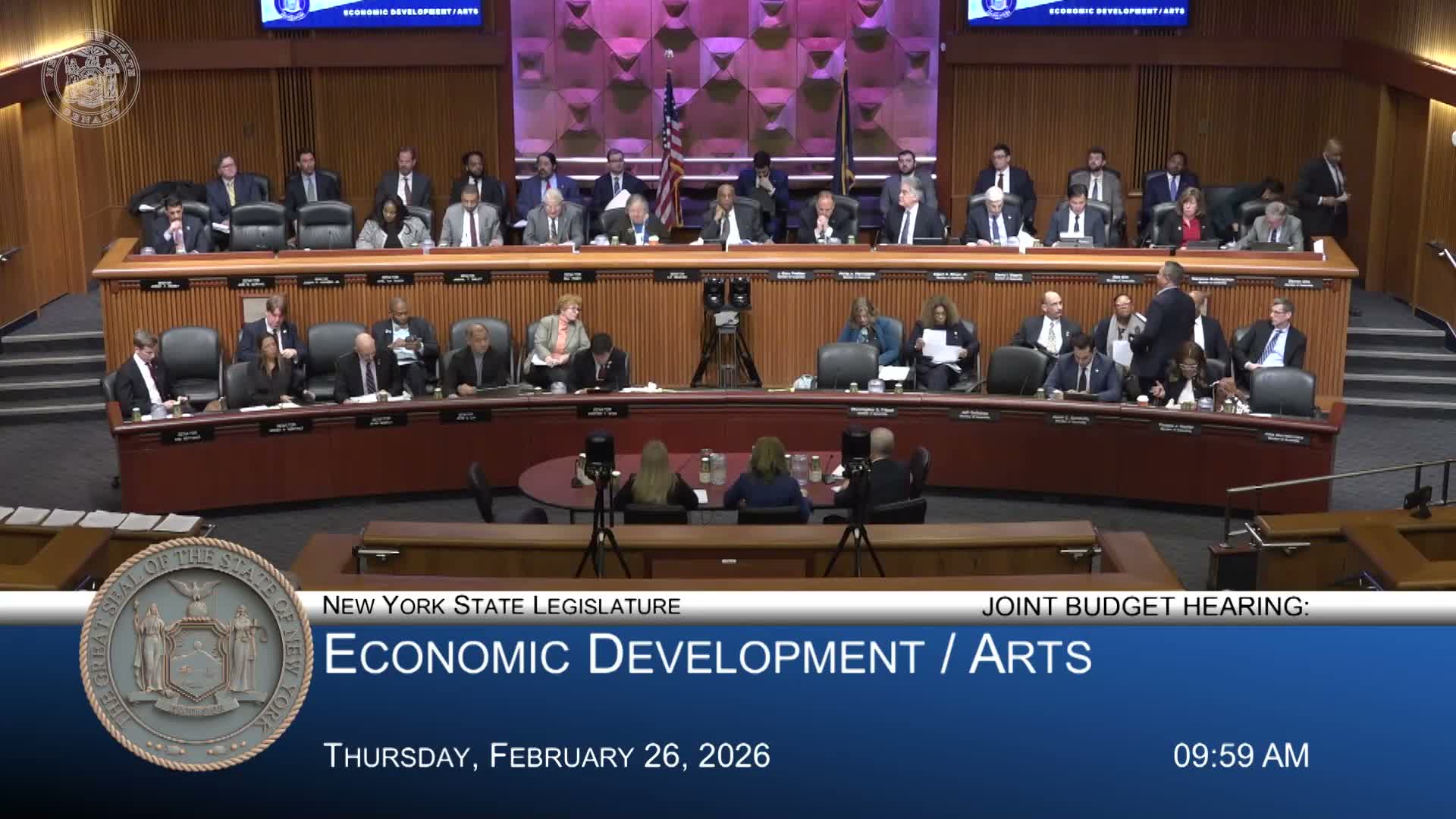
Summary
Acting DFS Superintendent told lawmakers the governor's budget pairs near‑term consumer discounts (dashboard cameras, telematics) with reforms to tackle staged crashes and litigation; insurers and trial lawyers urged stronger evidence that legal changes will translate into sustained premium reductions.
Acting Superintendent Caitlin Azra told a joint Senate‑Assembly budget hearing that the governor’s executive budget takes a two‑track approach to insurance: immediate consumer discounts for dashboard cameras, telematics and safe‑driving courses, plus legal and enforcement reforms to reduce fraud and litigation costs that have driven premiums higher. “I believe that New Yorkers will receive a reduction in their premium,” Azra said, while acknowledging the department cannot yet estimate a single statewide figure because the package addresses multiple drivers.
The proposal comes as DFS officials described an 80% increase in auto fraud reports over the last five years and said the state sees loss‑adjustment and litigation components of auto claims well above national averages. Lawmakers pressed for the data behind those claims and for evidence showing that tort‑and‑fraud reforms will be passed through into lower consumer rates.
Insurer trade groups at the hearing broadly supported measures aimed at staged crashes and fraudulent networks, saying those steps must accompany broader actions to sustain market availability. The National Association of Mutual Insurance Companies and the American Property Casualty Insurance Association told committees that fighting fraud and reducing unnecessary litigation are essential to restoring a stable market and promoting lower premiums.
Trial lawyers who represent injured New Yorkers warned against reforms that would sharply restrict recovery for seriously injured people or cap non‑economic damages. “We wholeheartedly are opposed to any proposals that . . . limit their rights and their recoveries,” said Andrew Finkelstein of the New York State Trial Lawyers, arguing proposed liability limits could disproportionately benefit insurers without guaranteeing consumer savings.
Lawmakers repeatedly asked insurers whether any enacted legal changes would carry binding requirements for rate reductions; industry witnesses said reduced costs would create downward pressure but that detailed actuarial analyses are needed to estimate precise effects and that DFS plays a role in rate review.
The hearing ended with committee chairs requesting follow‑up paperwork from all parties documenting the data and actuarial assumptions that underlie claims about fraud volumes, litigation costs, and expected pass‑through to premiums. The department urged cooperation, saying it will provide additional evidence and that Governor Hochul’s package aims to balance affordability and market stability.