Lifetime Citizen Portal Access — AI Briefings, Alerts & Unlimited Follows
Lawmakers and witnesses warn DOJ subpoenas risk undermining Federal Reserve independence
Loading...
Summary
Members of the House Financial Services task force and all four witnesses at a Feb. hearing said recent DOJ grand-jury subpoenas and threats against Fed officials risk politicizing monetary policy and could raise inflation and financial-market uncertainty.
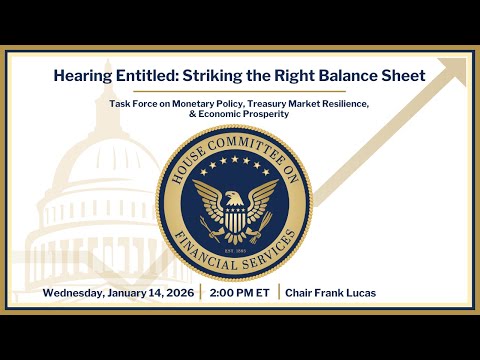
A House Financial Services task force hearing on the Federal Reserve's balance sheet on Feb. 2026 opened with repeated warnings that recent Department of Justice grand-jury subpoenas and public threats against Fed officials could compromise the central bank's independence.
Ranking Member Vargas said the subpoenas and threats represent "a full frontal assault by president Trump on the independence of the Fed," and warned that political pressure on Fed decisionmakers would harm the economy by undermining credibility. "These repeated threats are designed to pressure the Federal Reserve into submission," he said.
Other committee members echoed Vargas. Rep. Waters urged the committee to take a more aggressive role defending the Fed and asked whether the task force would hold a bipartisan investigation and subpoena executive-branch officials involved in the episode.
Witnesses framed the issue as a legal and institutional threat. Dr. Bill English, a former Fed official, said the Fed has legal protections and that "the Fed will stand tough," adding he expects courts and institutional safeguards to matter. Dr. Bill Nelson called Fed independence a "national asset" and said political pressure risks higher inflation and more volatile prices over time.
Several members asked witnesses what practical effects the threatened prosecutions could have on households. Dr. English said diminished Fed independence would likely lead to easier policy on average and therefore higher inflation over time, which would raise living costs for everyday Americans.
Committee activity during the hearing included unanimous-consent requests to enter into the record materials documenting opposition to the alleged political pressure, including statements from former Fed chairs, international central bankers, and industry representatives. Members from both parties repeatedly emphasized that defending monetary policy decisionmaking from political interference was central to preserving stable borrowing costs and the dollar's role globally.
The task force did not adopt any formal actions during the hearing. Members were given five legislative days to submit additional written questions to the witnesses; witnesses were asked to respond by the committee's stated deadline.