Get AI Briefings, Transcripts & Alerts on Local & National Government Meetings — Forever.
Privacy bill to limit government collection of nonprofit supporter lists wins subcommittee approval
Loading...
Summary
After testimony from privacy advocates and the press association, the subcommittee adopted a clarifying amendment and gave House Bill H.5075 (Personal Privacy Protection Act) a favorable report; the measure restricts public bodies from collecting or disclosing certain lists and creates a private right of action with civil remedies.
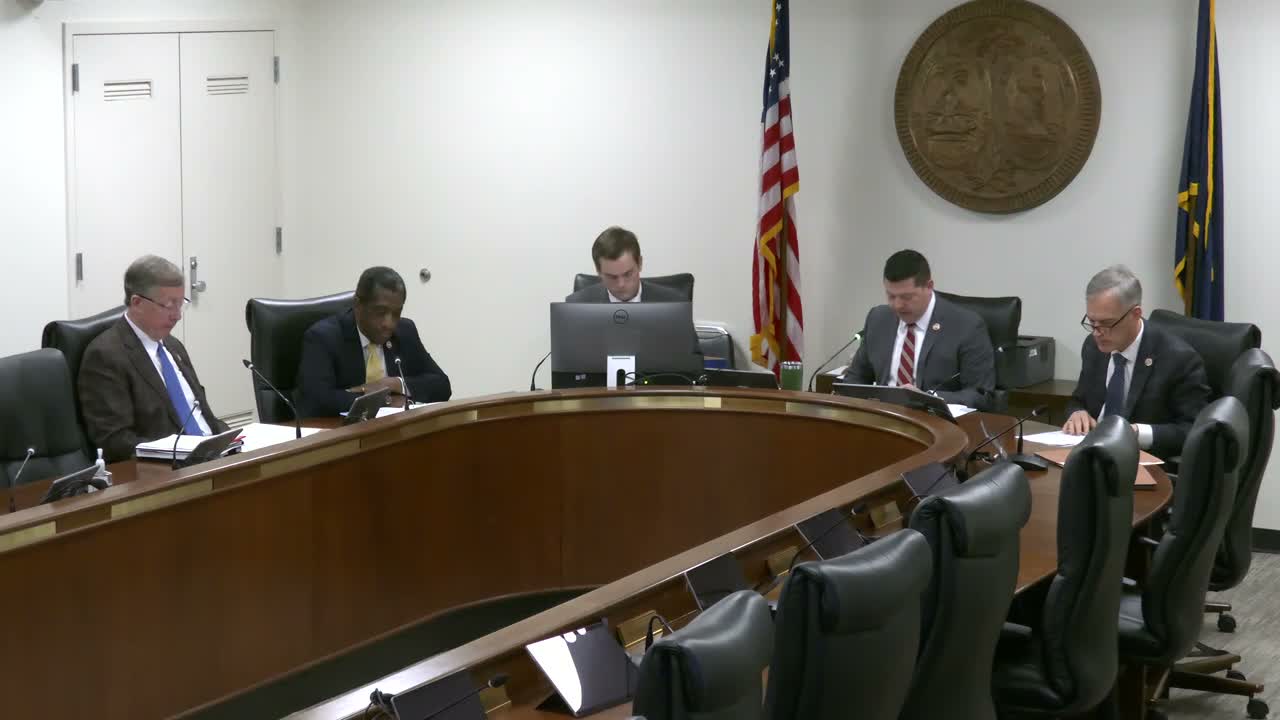
The House Artificial Intelligence, Cybersecurity and Special Law Subcommittee voted to give House Bill H.5075, the Personal Privacy Protection Act, a favorable report after adopting a clarifying amendment addressing agency concerns.
Chair Travis Moore, a primary sponsor, said the bill would prohibit public bodies from requesting, collecting, disclosing or otherwise requiring disclosure of nonpublic personal information related to people who support or are affiliated with nonprofit organizations, except as required by state or federal law. "Personal information is defined as any list, record, register, roster, or other compilation of data or information of a person who is a member, donor, volunteer, or supporter of a nonprofit organization," he said.
Supporters testified that the bill protects First Amendment associational rights and reduces risk of harassment or reprisals against donors and volunteers. Alex Bianco, director of government affairs at People United for Privacy, told the committee the bill would codify long-standing judicial protections and bring South Carolina in line with roughly two dozen other states that have adopted similar protections. "All South Carolinians, regardless of their beliefs, will benefit from this legislation's protections for free speech and personal privacy," Bianco said.
Opponents, including the South Carolina Press Association, argued the bill's broad definitions could erode government transparency and impede public oversight. Taylor Smith, speaking for the press association, warned the bill could expand exemptions beyond current FOIA practice, remove discretion from public bodies to redact or release records, and chill public employment if civil or criminal penalties applied. Smith used a local example involving ATAX (accommodations tax) committees and destination marketing organizations, saying the bill could limit the information that local oversight bodies receive.
Melissa Dunlap, Deputy Secretary of State, told the committee the Secretary of State's office had initial concerns about the bill's impact on registration and investigations under the Solicitation of Charitable Funds Act but that the committee amendment addresses those concerns; she said the office supports the amendment. Candice Carroll of Americans for Prosperity South Carolina testified in support of the bill, emphasizing risks to donors and volunteers and urging advancement to the full committee.
The committee adopted a clarifying amendment requested by the Secretary of State that, according to Chair Moore, does not change the bill’s primary effect but preserves existing statutory reporting, investigative, and regulatory functions for the Secretary of State and delineates categories of filings and investigations that remain governed by current law. The amendment was adopted by voice vote. A roll call on the favorable report recorded four "Aye" votes (Moore, Govan, McCabe, Wickenheimer), none against, and one not voting; the clerk announced H.5075 received a favorable report from the subcommittee.
The chair closed by noting a favorable subcommittee report is not final action and encouraged stakeholders to continue engaging with judiciary staff on any outstanding language or implementation questions.