Get Full Government Meeting Transcripts, Videos, & Alerts Forever!
Get email alerts on the Court Rules topic
No spam. Unsubscribe anytime.
Subcommittee advances two proposed court-rule changes on deadlines and mediation
Summary
The subcommittee advanced two proposed Supreme Court rule changes: extending some post-trial motion deadlines from 10 to 20 days and removing a strict three-hour minimum for family-court mediations so mediators may determine impasse timing. Both proposals were advanced to the full committee by voice vote.
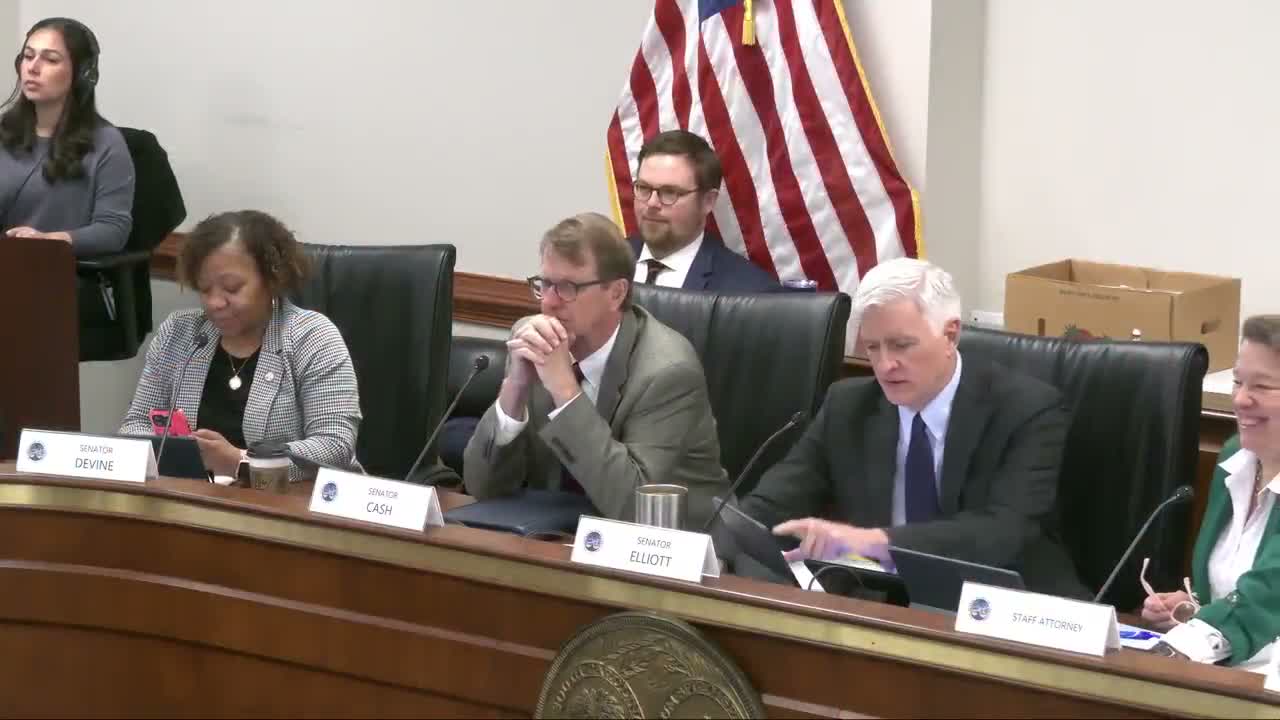
The subcommittee also considered two proposed rule changes submitted by the Supreme Court and advanced both to the full committee.
Jason Boverse, general counsel for the branch, said the first proposed change would amend five civil rules to increase the time for litigants to serve and file certain post-trial motions from 10 days to 20 days, giving parties and lawyers additional time to evaluate potential post-trial motions and preserve appellate issues. He noted federal practice uses a 28-day standard and described the change as a move toward more usable deadlines.
Boverse described a second change to family-court alternative dispute resolution (ADR) rules that would remove a strict three-hour minimum mediation requirement and allow mediators to determine whether to declare an impasse. He told the subcommittee the three-hour rule had become a vestige that sometimes forced parties to stop productive mediations or, in other cases, forced mediators and parties to sit when success was unlikely.
Senator Cash and other members asked practical questions about whether the change would permit a mediator to keep parties at the table when productive and whether a family court could order a return to mediation; the subcommittee discussed time and cost implications for litigants. On both items, members moved, seconded and approved advancing the proposals to the full committee by voice vote.
Boverse also answered a question from Senator Devine about electronic service of process and said the court has previously allowed UPS and FedEx to serve as substitutes for certified mail under Rule 4; he noted automated email service raises verification concerns and would need designated addresses and safeguards.
Both rule-change proposals will now be considered by the full committee.