
Proposal to enshrine disability‑rights to community supports in Nebraska constitution prompts mixed legal questions
Get AI-powered insights, summaries, and transcripts
Subscribe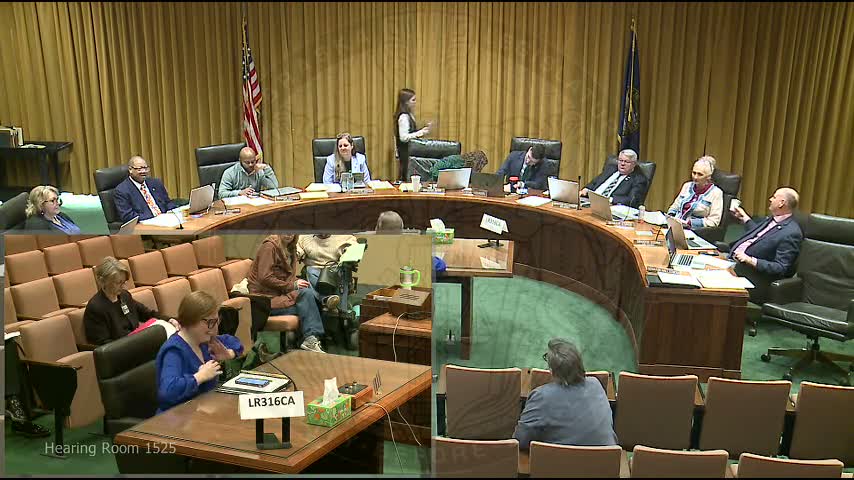
Summary
LR316CA would place a proposed constitutional amendment before voters affirming the right of Nebraskans with disabilities to community‑based supports. Advocates called it a civil‑rights safeguard for waivers and long‑term services; DHHS counsel cautioned that the resolution’s wording could spawn litigation and leave standards undefined.
Senator Michaela Cavanaugh introduced LR316CA to place a constitutional amendment before voters recognizing rights for people with disabilities to community‑based services and inclusion.
Proponents framed the resolution as civil‑rights language that secures stability for home‑and‑community‑based services (waivers). Joni Thomas, a self‑advocate, said constitutional recognition ‘‘does not create new programs or impose new mandates’’ but would provide long‑term clarity and protect against policy swings that could cut essential services.
Providers and advocates emphasized the role of waivers in stabilizing families and reducing institutional placements. Alana Schriver of the Nebraska Association of Service Providers cited comparative costs and argued constitutional language would shield critical community supports from future budget cuts.
DHHS legal counsel Beau Botelho testified in a neutral capacity and advised caution: Olmstead and the ADA provide federal guidance, but a state constitutional amendment with broad, undefined language could create an uncertain legal standard requiring litigation to define obligations and scope. Botelho noted the proposed text did not define disability or how rights would be enforced and warned about potential litigation and implementation uncertainty.
Proponents insisted the amendment would be voter‑facing, not an immediate appropriation, and argued it would give families and providers predictability. Opponents raised concerns about broad phrasing and unintended legal consequences.
The committee closed LR316CA testimony after proponents, opponents and DHHS counsel presented perspectives; sponsors said they would proceed and gather further stakeholder input.