Bill to shield faith‑based child‑placing agencies prompts debate over children's best interest and placement delays
Loading...
Summary
LB1060 would protect child‑placing agencies that decline services conflicting with sincerely held religious beliefs; supporters said it preserves provider diversity and avoids litigation, while child‑welfare advocates warned it could delay placements and reduce options for vulnerable children.
Senator Dave Murman introduced LB1060 as a preventive measure to protect faith‑based child‑placing agencies from adverse state action when an agency declines to provide or participate in a service that conflicts with its "sincerely held religious belief." Murman said the bill would not leave families without options: agencies must provide information about other providers or resources.
Proponents argued the measure preserves a diverse provider network, prevents costly litigation and ensures children continue to have placement options. Lance Kinzer of the First Amendment Partnership described the bill as codifying protections already in practice in other states and pointed to federal court precedent — including the Fulton decision — as supportive of faith‑based protections.
Opponents questioned the law's practical effect on children's timeliness and safety. Katie Nungesser of Voices for Children said the bill lacks explicit protections for the child's best interest, does not require that referrals have capacity or geographic access, and could worsen placement delays: "A referral is not the same as access." Child‑welfare organizations, disability advocates and some academics warned the language on "sincerely held religious beliefs" is vague and could permit discrimination that extends time in foster care and harms permanency outcomes.
Supporters said the status quo already accommodates faith‑based agencies and that explicit statutory protection avoids litigation and preserves capacity. Murman and proponents said the bill seeks to preserve existing providers rather than to change placement decision authority.
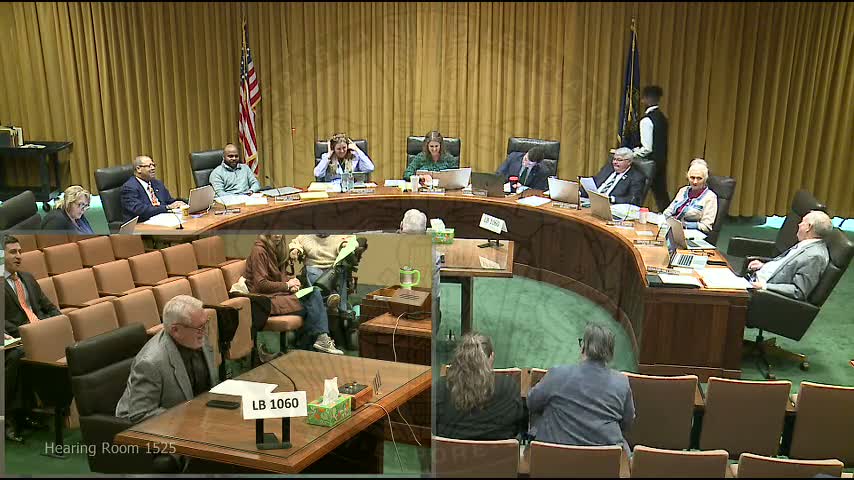
The committee heard detailed exchanges about how referrals would work in practice, the state's role as an agency of last resort, and whether rural areas would have realistic alternative providers. Testimony closed with contested views: sponsors emphasized preserving provider diversity, while child‑welfare advocates stressed putting children's timely placement and non‑discrimination at the center.