Hospitals, pediatric specialists urge preserving retroactive Medicaid coverage; DHHS cites budget and waiver plan
Get AI-powered insights, summaries, and transcripts
SubscribeSummary
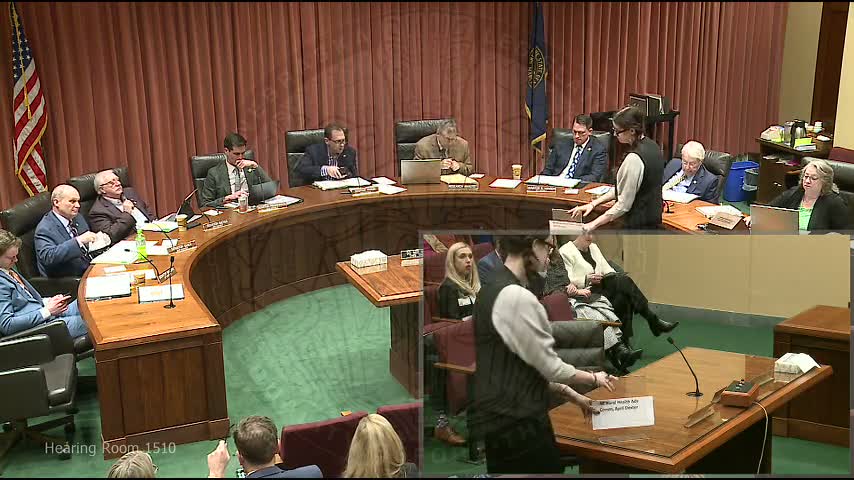
Proponents including CHI Health and Children's Nebraska told the HHS committee that limiting retroactive Medicaid coverage would shift costs to families and hospitals; DHHS finance staff defended a proposed 1115 waiver to limit retroactivity as a budget-saving measure.
Senator Makayla Cavanagh introduced LB777 to require Nebraska Medicaid to provide the maximum retroactive coverage permitted under federal law and to add specific reporting requirements to the agency’s annual Medicaid report. "LB777 simply requires our state maintain the maximum amount of retro coverage allowed under federal law," the introducer said, urging preservation of protections for Nebraskans facing medical emergencies.
Hospital and pediatric leaders testified as proponents. Chris Acker, chief medical officer for CHI Health, warned that eliminating retroactive coverage would leave eligible patients and families with large bills and create uncompensated care burdens for hospitals: "Patients don't always know when they're going to have a medical emergency...Without that retroactive, that care is not covered." He said CHI Health submitted nearly 20,000 Medicaid applications under the 90-day retroactive period last year and that 93% of those resulted in successful enrollment.
Children's Nebraska vice president Meghan Connelly described neonatal examples and timing challenges: "A newborn cannot apply for Medicaid while still in utero...We recently cared for a newborn...122 days in our NICU...41 of those days were covered retroactively, totaling $414,000 in charges." She and neonatologist Dr. Ann Anderson Berry urged the committee to resist cutting retroactivity further than federal law requires.
The Department of Health and Human Services, represented by CFO John Meals, testified in opposition. Meals said the agency began a public comment period on a Section 1115 waiver that would limit retroactive coverage to the month of application and that the waiver was proposed to achieve budget savings. "The agency is proposing 10/01/2026 as an effective date for this waiver," he said, and noted the state projected substantial general‑fund savings if the waiver were approved. He also said the Appropriations Committee has not accounted for the agency's proposed retroactive elimination in the budget and that current budget allocations assume three months of retroactivity for the near term.
Committee members pressed both sides on operational details: how quickly hospitals can screen and file applications (providers reported internal screening on admission within 48 hours), the share of approvals that fall inside different look‑back windows, and the fiscal estimate ranges. Witnesses from hospitals and Children's Nebraska described process bottlenecks — missing documents, families in crisis, and interstate transfers — that can delay enrollment beyond 30 days.
No committee vote was taken at the conclusion of the hearing. Chair Harden acknowledged widespread interest in the bill and noted an agency 1115 waiver public hearing was scheduled separately. The committee will retain the record and testimony as lawmakers consider potential statutory direction to DHHS and pending budget proposals.