Get Full Government Meeting Transcripts, Videos, & Alerts Forever!
Governor previews property-tax ballot measure, cites revenue growth and insurance reforms
Summary
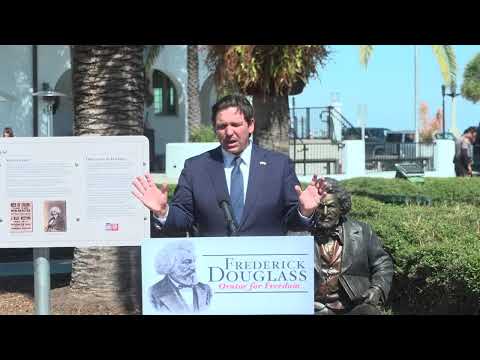
At the St. Augustine event, the governor previewed a property-tax ballot initiative aimed at primary-homeowners, cited growth in property-tax revenue (from $32B to $60B per his figures), and highlighted recent insurance-rate reductions he says resulted from state reforms.
During the St. Augustine ceremony the governor used an audience question to preview a planned property-tax ballot initiative and to summarize state economic measures he argued would help households.
Asked whether the House or Senate would move on property-tax legislation, the governor said the state House had passed a version and that he expects a ballot measure enabling property-tax relief for primary residences. He framed the proposal as an option that would let voters ‘‘go to the polls and be able to vote’’ on relief he called historic.
The governor…
Already have an account? Log in
Subscribe to keep reading
Unlock the rest of this article — and every article on Citizen Portal.
- Unlimited articles
- AI-powered breakdowns of topics, speakers, decisions, and budgets
- Instant alerts when your location has a new meeting
- Follow topics and more locations
- 1,000 AI Insights / month, plus AI Chat