
Neptune Township budget presentation prompts residents to demand 0% tax increase and school consolidations
Get AI-powered insights, summaries, and transcripts
Subscribe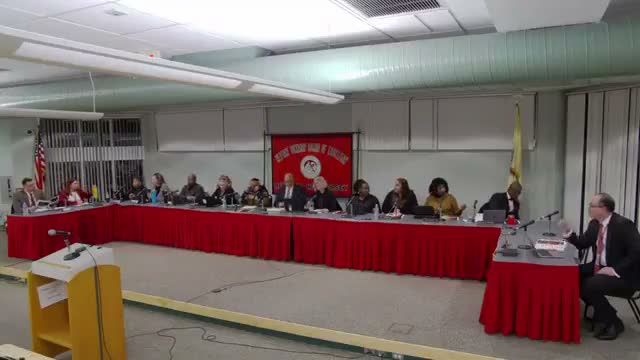
Summary
After a midyear budget review showing multi-year state aid declines and rising costs, residents urged the Neptune Township Board of Education to hold the tax increase to 0%, produce dollar-value savings from prior cuts, and present a facility-consolidation plan before the April hearing.
The Neptune Township Board of Education heard a detailed budget update from Business Administrator Mr. Caravello and more than an hour of public comment focused on taxes, district staffing and underused school buildings.
Caravello told the board that changes to the state funding formula since 2018 have driven multi-year reductions in district state aid and described a series of one-time stabilization payments that temporarily offset some losses. He said the district is building the 2026–27 budget assuming flat state aid and that the district faces limited revenue options beyond the 2% statutory local tax levy. He highlighted cost drivers including salaries and benefits, which he said represent roughly 78% of the proposed $93 million budget, and estimated a $3.8 million increase in health-benefit costs alone. He also said the district has cut more than 100 positions over five years and is pursuing shared services and other efficiency measures.
Superintendent Dr. Crater highlighted a strong federal graduation-rate gain, saying the district’s rate is 85.9%, up from 72.4% the previous year, and announced a pending tutoring grant application of up to $200,000 and a mentoring/mental-health grant. The superintendent also proposed using Good Friday (April 3) as an abbreviated snow-day makeup and forming a committee to consider a bell-to-bell cell phone ban and the reintroduction of cursive instruction in grades 3–5.
Public commenters reacted sharply. Paul Zapp of Ocean Grove praised the presentation’s thoroughness but said the district was “still assuming business as usual” and demanded a facility-consolidation plan by the April hearing. “We want a 0 percent tax increase, not 2%, not somewhere near 2%,” Zapp said, urging the board to produce a dollar value for prior staffing cuts and to prioritize students over empty classrooms.
Other residents described steep recent property-tax increases tied to county reassessments and urged deeper administrative and facilities cuts. Sean Ryan, who said his property tax rose from about $10,000 to more than $22,000 after reassessment, warned the board that rising tax bills are driving long-term community displacement. Several speakers recommended closing or selling underused buildings, reallocating grant-funded mental-health resources instead of maintaining overlap in administrator positions, and pursuing alternative funding (one commenter suggested exploring TANF-aligned programs for wraparound services).
Board members did not take questions during the public comment period but subsequently moved forward with a consent agenda that included the superintendent’s recommendations and finance items. The board recorded roll-call approvals on the superintendent’s report, finance and transportation items, education special projects, special education recommendations and personnel actions. Under new business the board approved a revised calendar with abbreviated dates that include April 3 and April 6.
What’s next: the administration told the board it will revise the calendar and bring motions under new business for the board’s consideration; residents asked for a facility plan and a clearer accounting of the dollar impact of past cuts before April’s meeting.