Get Full Government Meeting Transcripts, Videos, & Alerts Forever!
Get email alerts on the Retail Revival topic
No spam. Unsubscribe anytime.
Westfield panel outlines flexible zoning, incentives and experience-focused retail to fill vacant storefronts
Summary
Mayor Brindle convened developers, planners and retail experts to argue Westfield can recover lost storefront activity by using flexible zoning, targeted incentives and experience-driven tenants — not just rent cuts — and by treating downtown as an ecosystem that favors food, experience and omnichannel operators.
WESTFIELD — Mayor Brindle hosted a town panel on downtown retail on a night billed "You Can't Just Buy It Online," where developers, downtown managers and planners outlined a multi-pronged strategy to fill vacant storefronts and guide redevelopment around the Lord & Taylor properties.
The panel — Bob Zuckerman of the Downtown Westfield Corporation; Richard Heath of Street Works Development and Hudson's Bay Company; retail futurist Michael Burns; and town redevelopment planner Phil Abramson — told residents that Westfield's combination of walkable streets, attached residential neighborhoods and transit access gives the town an edge in attracting the right kinds of retailers.
"We are in many ways the victims of our own success," Mayor Brindle said, arguing that reliance on national chains left downtown exposed when consumer patterns shifted. The mayor said the town has spent the last three years updating its master plan, designating municipal parking lots as redevelopment areas and identifying a redeveloper for the Lord & Taylor holdings as part of a longer-term strategy.
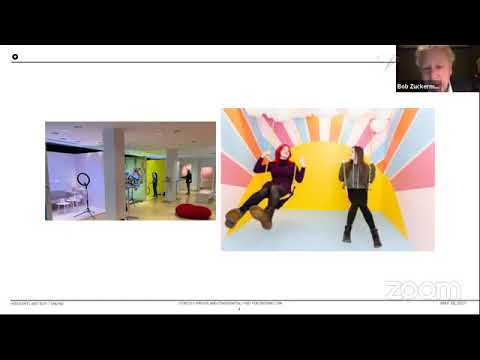
Panelists emphasized four durable retail strengths: place-based authenticity, food and beverage as a foot-traffic anchor, experience-oriented spaces, and a long-term value orientation that combines physical stores with online sales. "It's an ecosystem," Richard Heath said. "It's living. It's dynamic. It's organic." Bob Zuckerman illustrated those points with local examples such as Patricia and Paul (specialty retail), Selfie Stations NJ (experience venue), AR Workshop (DIY studio) and newer bricks‑from‑clicks businesses.
Michael Burns reviewed national trends and urged perspective on store closures and ecommerce. He said ecommerce's share rose modestly in 2020 and cautioned that online sales alone are often unprofitable for merchants. "Ecommerce for a merchant is a money loser," Burns said, arguing that many digitally native brands now need physical outlets and omnichannel strategies to make the economics work.
Phil Abramson said the town's planning response should favor flexibility, not rigid ground‑floor retail mandates. "We will be the ones, ultimately, writing the zoning for Streetworks and HBC," Abramson said, adding that zoning should allow uses such as fulfillment hubs, ghost kitchens, live/work units and subdividable floorplates so deep, historic storefronts can host a range of uses.
During audience Q&A, residents asked why some property owners keep storefronts vacant. Panelists cited high tenant fit‑out costs, reluctance to subdivide large floorplates, landlord capacity limits and a preference for well‑capitalized tenants. Burns noted that vacancy taxes have been tried elsewhere but warned of unintended consequences.
Panelists also rejected a permanent car-free mall as a one-size-fits-all fix. Richard Heath recommended a "festival street" approach — streets that can be adapted for events and different time‑of‑day uses while accommodating deliveries and parking — and emphasized the need for active place management.
The mayor closed by urging patience and steady implementation: redevelopment, incentives and zoning changes take time and statutory steps. She repeated the town's decision to declare downtown an area in need of rehabilitation to enable a five‑year property tax incentive for owners who invest in building improvements.
Next steps cited by panelists include finalizing zoning language for the redevelopment site, working with landlords to create smaller leasable units where feasible, and pursuing tenanting strategies that prioritize omnichannel and experience-based operators. The town did not announce any formal votes at the panel; the presentations and Q&A were framed as public engagement ahead of formal redevelopment hearings.