Get Full Government Meeting Transcripts, Videos, & Alerts Forever!
Get email alerts on the Audits topic
No spam. Unsubscribe anytime.
WMSC audit finds unreliable radio communications and gaps in fire‑and‑life‑safety inspections
Summary
A WMSC audit found Metrorail’s radio communications unreliable in many locations and identified failures to inspect and remedy life‑safety equipment at multiple stations; WMSC set a March 10 deadline for draft corrective action plans and said Metro must resolve a policy conflict over when to notify first responders.
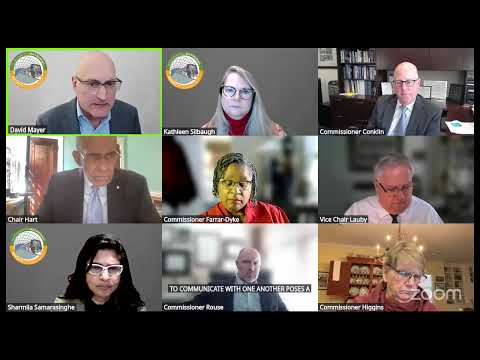
The Washington Metrorail Safety Commission said on March 4 that audits of Metro Rail uncovered systemic safety issues, including unreliable radio communications and gaps in fire‑and‑life‑safety inspections.
In presenting the triennial audit cycle, WMSC audit lead Mr. O'Donnell said the commission’s work found that “Metrorail does not have a reliable communication system for operations or emergencies,” citing intermittent radio deficiencies and documented dead spots across the system. The audit team reported radio problems have appeared in 60 WMSC safety‑event investigations adopted through late October 2024.
The audit identified five formal findings. Finding 1 concluded the radio communications network is unreliable for operations and emergencies; Finding 2 noted emergency trip stations (ETS boxes) were not consistently treated as fire‑and‑life‑safety assets and that 55 work orders for ETS equipment were incomplete at the time of the audit, with field checks showing several units needing repair. Finding 3 described 49 fire‑and‑life‑safety issues discovered during inspections of 15 stations (including uninspected or improperly stored fire extinguishers, blocked egress paths and equipment stored in areas of refuge), which Metro characterized as 35 code violations. Finding 4 said Metro had placed an emergency operations radio channel (OPS 6) into use before ensuring personnel programming and testing were complete; the audit cited a February 2024 smoke event where police radios were not programmed for OPS 6. Finding 5 documented delays in contacting jurisdictional emergency services: among a 27‑event sample, six events recorded 10–19 minute delays and 12 events recorded 4–9 minute delays before first‑responder contact.
WMSC staff highlighted an apparent conflict between Metro’s internal practice of confirming a fire or smoke event before contacting first responders and a Council of Governments agreement that calls for immediate notification. Dr. Meyer told commissioners the 4–9 minute delays the audit measured were not “immediate” and that the corrective action plan should address the policy mismatch.
Metro was given revised dates to submit draft corrective action plans: drafts were originally due Feb. 28; Metro requested an extension to March 14 and WMSC accepted March 10 for submission of drafts related to the radio communications finding. WMSC staff said they expect to review Metro’s drafts and track implementation of remedial measures.
The WMSC also announced a special study of WMATA’s long‑running radio replacement project (the intended 700 MHz replacement for the current 450–490 MHz system) to assess when anticipated safety benefits will be realized. Separately, a communications systems audit—part of WMSC’s triennial program—will review Metro’s voice and data transmission systems, inspections, maintenance and engineering practices.
The audit presentation and subsequent commissioner questions emphasized that radio reliability, ETS box functionality and timely notification of first responders are safety‑critical and should be addressed promptly. WMSC said it will continue to track corrective action plan deliverables and provide oversight until the deficiencies are remediated.