Get Full Government Meeting Transcripts, Videos, & Alerts Forever!
Get email alerts on the Chafee Etv topic
No spam. Unsubscribe anytime.
Member of Congress asks how Chafee ETVs can support short-term credential programs
Summary
A member of Congress asked how Chafee program ETVs could support youth pursuing short-term credential programs after President Trump's executive order; an Illinois respondent said the state is reducing paperwork, sending links to youths' phones upon entry to care, and directing ETV funds toward trade and technical programs.
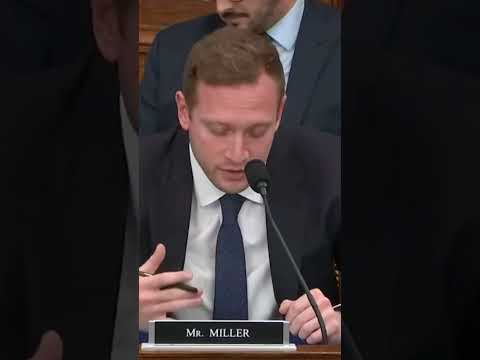
A member of Congress asked how the Chafee program’s education and training vouchers (ETVs) could be used to help youth pursue short-term credential programs, saying expanding career opportunities for young people is a priority.
"One of my top priorities in Congress has been to expand career opportunities for our youth," Speaker 1 said, noting that "the Chafee program ETVs are primarily used for 2 or 4 year degrees" and that President Trump’s recent executive order calls for increasing flexibility to expand access to short-term credential programs. He asked how a model could support youth in his district who expressed interest in trade schools, career or technical education.
An Illinois respondent described steps the state is taking to connect youth with ETVs and non‑degree training. "We're getting away from the paperwork," Speaker 2 said, and added that Illinois is "sending links directly to those youth phones so that they're aware of ETV, and we're bringing that to them as soon as they enter our care." The respondent said the state notifies participants in transitional living programs (transcript reference: "Live Set") about alternatives to four‑year colleges.
Speaker 2 listed examples of occupations Illinois is targeting with outreach and support: "If you're into welding, if you're into cosmetology, barber, construction, we're here to help you," and characterized ETV funds as a demonstrable resource: "this is where the ETV funds really show up and show out."
The exchange in the hearing framed the question of whether federal ETV rules can be applied more flexibly to cover short‑term credentialing and career‑technical pathways. The transcript records the members’ question and the state respondent’s description of outreach and programmatic priorities, but it does not record a formal policy change, a legal interpretation of federal ETV eligibility, or a specific change to how federal funds are authorized or allocated. The executive order referenced by Speaker 1 is mentioned in the transcript but not identified by number or date; the transcript does not expand the ETV acronym.
No formal motion or vote was recorded on this issue in the provided excerpt. The discussion ended with the state respondent describing outreach practices rather than a definitive policy outcome or binding change to program eligibility.