Lifetime Citizen Portal Access — AI Briefings, Alerts & Unlimited Follows
Test-and-treat bill raises questions about how pharmacists would notify primary care providers
Loading...
Summary
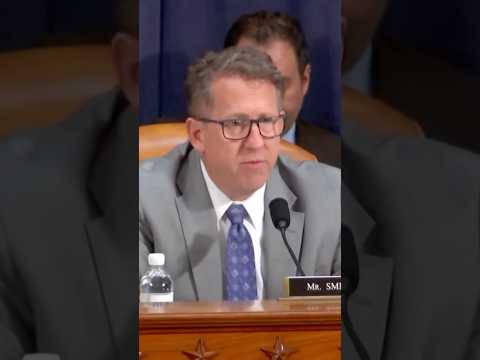
At a House Committee on Ways and Means hearing, an unidentified questioner asked how pharmacists authorized to test and treat illnesses such as COVID-19 or influenza would inform patients’ primary care providers. A pharmacy respondent said communication is largely by phone and said better interoperability could speed information-sharing and improve outcomes.
At a House Committee on Ways and Means hearing, an unidentified questioner asked how a pharmacist authorized to test and treat diseases such as COVID-19 or influenza would notify a patient’s primary care provider about the encounter.
"In a state where a pharmacist would be able to test and treat for disease like COVID or influenza, how would the pharmacist be able to inform the patient's primary care provider about the encounter?" the questioner asked.
An unidentified pharmacy respondent replied that, under current practice, communication between pharmacists and primary care providers is "largely via telephone." The respondent said that system limitations — including waits for callbacks — can delay care coordination and that improved technical connections between pharmacies and provider records would help. "Enhanced interoperability ... could really provide better outcomes for our patients," the respondent said.
The exchange framed two separate issues: the mechanics of notification and the broader information-technology challenges that can slow follow-up care. The respondent emphasized that pharmacists already collaborate with providers daily but that the current reliance on phone calls can be "prohibitive" and slow access to definitive treatment or follow-up.
No specific technical solution, timeline, or statutory language was cited during the exchange, and no vote or formal action occurred on the floor during this discussion. The hearing record does not specify whether the proposed bill would require a particular method of notification or mandate electronic reporting to primary care providers; those details were not provided in the remarks on the record.
If adopted, requirements for interoperability could involve changes to clinical workflows, data-sharing agreements, or electronic health-record connections; the exchange in this hearing identified telephone-based communication as the prevailing method and suggested that upgrading data links would be beneficial but did not specify funding, standards, or implementation steps.
The discussion concluded without a stated decision or next procedural step in the transcript.