Get Full Government Meeting Transcripts, Videos, & Alerts Forever!
Get email alerts on the Healthcare topic
No spam. Unsubscribe anytime.
Witnesses say virtual teams, remote monitoring could help address kidney disease in underserved areas
Summary
In a House Committee exchange, a respondent called chronic kidney disease a national crisis tied to hypertension and diabetes and urged multidisciplinary, virtual wraparound care and remote patient monitoring—especially for patients in Western Virginia.
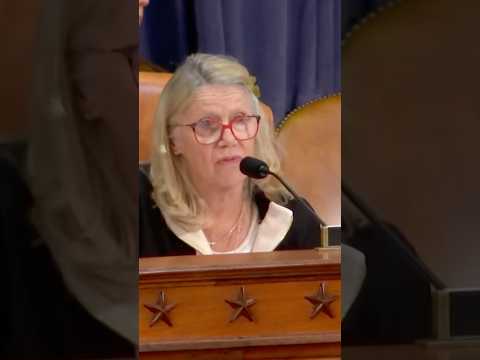
An exchange during a House Committee on Ways and Means session examined how digital tools and team-based care could improve kidney health in underserved communities.
An unidentified respondent (Speaker 1) told the panel that “chronic kidney disease is a crisis in this country due to downstream effects from high blood pressure and diabetes.” The speaker said addressing the problem requires collaborative, wraparound services including diabetic educators, nurse care managers, pharmacists and nutrition support, many of which can be delivered virtually.
Why it matters: Chronic kidney disease often follows uncontrolled hypertension and diabetes, and speakers framed better coordination and earlier intervention as the most actionable levers to slow progression and reduce disparities in access to specialty care.
Speaker 1 described a care pathway built around remote patient monitoring: “remote patient monitoring, sending that data back to a care manager who can assess that and then elevate it to the level that if there needs to be management, to the pharmacist or the physician.” The respondent said such monitoring lets care managers triage needs and then engage higher-level clinicians when treatment changes are required.
The respondent also stressed prevention in communities with high rates of chronic conditions, referencing “the one to two chronic diseases in so many of your constituents in Western Virginia” and arguing the model must enable upstream interventions as well as reactive treatment.
No formal proposals, motions or votes were recorded in the excerpt. The exchange focused on clinical and programmatic approaches—telehealth, multidisciplinary teams and remote monitoring—rather than specific funding amounts or legislative text.
What’s next: The discussion overviewed practical elements of care models that could be considered by policymakers—virtual access to specialists, expanded roles for nurse care managers and pharmacists, and systems to route monitoring data to clinical decision-makers—but the transcript did not record any formal recommendations, bill numbers or commitments to legislative action.