Get Full Government Meeting Transcripts, Videos, & Alerts Forever!
Get email alerts on the Homelessness topic
No spam. Unsubscribe anytime.
Regional 'Unsheltered' plan calls for 719 permanent supportive homes and stronger Medicaid ties
Summary
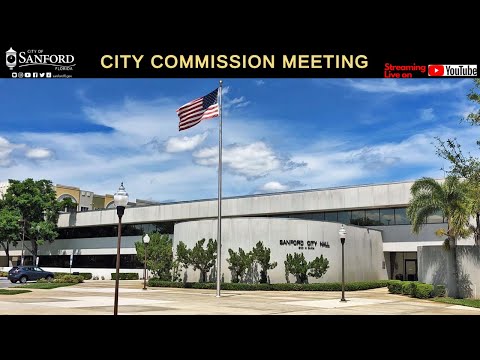
At the Feb. 24 Sanford City Commission meeting, the Homeless Services Network presented the Central Florida Unsheltered Plan, saying the Tri-County region needs at least 719 permanent supportive housing units, more geographically dispersed shelter access and better use of Medicaid housing supports.
At the Sanford City Commission meeting on Feb. 24, 2025, Ms. Ahr, identified in the meeting as the chief executive author for the Homeless Services Network of Central Florida, presented the Central Florida Unsheltered Plan and urged a Tri-County approach to reduce the region’s unsheltered homelessness.
The presentation said the region needs "at least 719 new permanent supportive housing units across the 3 counties," a benchmark tied to the 2024 point-in-time count, and recommended expanding rapid-rehousing capacity for families to meet an estimated need of 162 family placements. "We need to expand and promote the use of shared housing opportunities," Ms. Ahr said, and urged more shelters that allow people to keep pets, belongings and remain with partners when appropriate.
Why it matters: presenters stressed this is a supply-driven problem. "The housing market is driving your numbers," Ms. Ahr said. "It is not about bad services." She recommended a combined strategy of increasing housing inventory while improving shelter access and diversion efforts.
On Medicaid and services, an unidentified commissioner asked how Sanford could "maximize" Medicaid supports. Ms. Ahr described ongoing multi-stakeholder workgroups with participating Medicaid plans that meet monthly to identify eligible people, enroll them, and expand case-management and housing-support services. She said the region participates in an 1115 Medicaid waiver pilot that can finance some housing-related supports and that the area has not yet fully maximized that opportunity.
The plan also calls for multidisciplinary outreach teams for encampment resolution—integrating outreach, mental-health and employment services—and for compensating people with lived experience to participate in planning and monitoring.
Next steps: Ms. Ahr offered to share the report’s research with the commission and indicated the Homeless Services Network will work across Seminole, Orange and Osceola counties to roll out the recommendations over the next two years. The commission heard the presentation, asked clarifying questions and moved on to other agenda items.