Get Full Government Meeting Transcripts, Videos, & Alerts Forever!
Get email alerts on the School Improvement topic
No spam. Unsubscribe anytime.
Riley Intermediate principal outlines reading goal, SEL and attendance strategies
Summary
Riley Intermediate Principal Maria Hendres presented the school'level improvement plan to the Board of Education, highlighting a 40% reading-proficiency goal, monthly walk-throughs, teacher collaboration, SEL "circle" activities, attendance interventions and incentives to sustain early-year gains.
Maria Hendres, principal of Riley Intermediate, told the Berkeley SD 87 Board that Riley's school improvement plan focuses on raising reading proficiency, strengthening instructional clarity and expanding social-emotional learning.
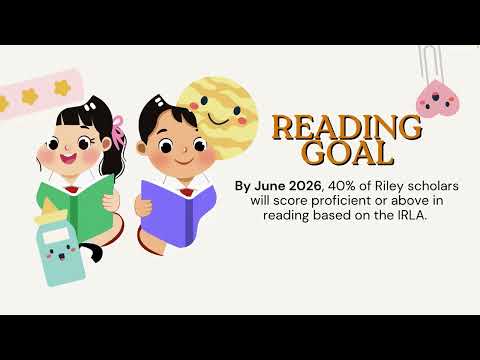
Hendrdes (intro in transcript as "Maria Hendres") said the school set a reading goal of 40% of scholars scoring proficient or above on the reading assessment, compared with a district goal of 57%. She described that the school uses PowerSchool and other data systems, monthly instructional walk-throughs, collaborative planning (PLCs) and specific action steps aligned across grades to monitor and accelerate learning.
Hendrdes outlined a number of student-facing and staff-facing strategies: scholar-to-scholar discourse; houses that mix third, fourth and fifth graders to foster belonging; monthly walk-through trends to identify where to celebrate or intervene; and an attendance-accountability team that performs outreach to families. She credited early-year data showing movement from lower performance bands into proficiency for some cohorts.
The presentation included SEL practice: Hendres led a brief "circle" activity for board and staff to demonstrate how classroom check-ins work. The school also highlighted incentives tied to reading steps; examples included a therapy-dog reading reward and a "principal for a day" prize for students who reached high reading-step milestones.
What happens next: the principal and assistant principal offered to return for follow-up presentations and to provide more detailed findings from special-education reviews and attendance interventions as requested by the board.