District treasurer warns of steep cuts in five‑year forecast; board approves plan

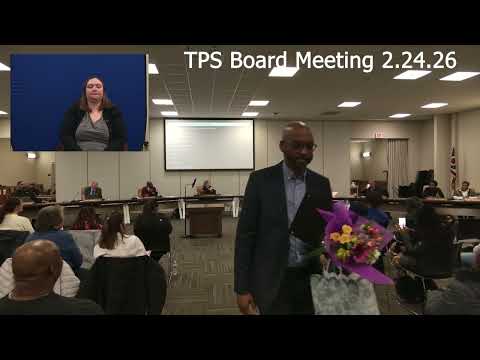
Toledo City School District Board of Education · February 24, 2026

Get AI-powered insights, summaries, and transcripts

Subscribe
AI-Generated Content: All content on this page was generated by AI to highlight key points from the meeting. For complete details and context, we recommend watching the full video. so we can fix them.

Summary

Treasurer Brian Stutroka presented a state‑required five‑year forecast showing enrollment declines and revenue pressures; the board approved the forecast after discussion of assumptions, potential $7.8 million midyear cuts and the need for deeper reductions over the forecast period.

Treasurer Brian Stutroka presented the Toledo City School District’s five‑year financial forecast at the Feb. 24 board meeting, explaining it as an early‑warning tool the state uses to assess fiscal risk. Stutroka said midyear reductions already totaled about $7.8 million and that the district’s plan anticipates larger reductions in coming years unless state funding or enrollment trends change.

Stutroka described the forecast’s major assumptions: roughly 62% of revenue from the state, 33% local revenue and 5% other sources; 83% of expenditures for salaries and benefits; and projected enrollment declines that the forecast models as an annual loss of several hundred students. He told the board that the plan includes contract reductions, central administration cuts, transportation and potential school repurposing or closures as tools to right‑size expenses.

Board members pressed for the assumptions behind the forecast, asked when state oversight (fiscal caution/watch/emergency) would be triggered, and raised concerns about unfunded mandates and costs the district bears for charter transportation and screening students who do not attend TPS. Stutroka said the plan submitted to the state now forms part of the February forecast and warned the board that failing to meet the plan could prompt stronger state oversight.

After discussion the board moved and approved the forecast on a roll‑call vote. Members and staff said the forecast will guide ongoing community forums and the transformation plan scheduled for an April board vote.

Key figures cited in the presentation included $7.8 million in midyear reductions and a referenced need to reduce next‑year spending by tens of millions of dollars under current assumptions; actual targets and timing depend on the final plan and state changes.