Lifetime Citizen Portal Access — AI Briefings, Alerts & Unlimited Follows
Baltimore County senators hear bill to expand school board nominating commission
Loading...
Summary
Senate Bill 98 would add two appointed seats and stagger terms on the Baltimore County School Board Nominating Commission, replacing the closed Baltimore County Chamber seat and adding AFSCME Local 434 and the Citizens Advisory Council for Gifted and Talented Education. Supporters say it improves representation; opponents say it increases bureaucracy and undermines voter control.
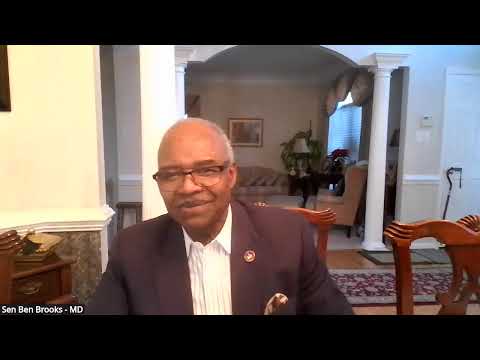
Senate Bill 98, introduced to the Baltimore County Senate delegation, would expand the county's School Board Nominating Commission by adding two organizational appointees and staggering members' terms.
The sponsor asked the delegation to issue a favorable report, saying the change would replace the closed Baltimore County Chamber of Commerce seat with an appointment from the Greater Baltimore Chamber of Commerce, add an appointee from AFSCME Local 434 (representing food service, transportation and building operations staff) and add a seat for the Citizens Advisory Council for Gifted and Talented Education. The sponsor said staggered terms (with one group ending in 2028 and the other in 2030) would preserve institutional knowledge and prevent full turnover.
"I urge you to issue a favorable report on Senate Bill 98," the sponsor said during the presentation.
Written testimony in support was submitted by John Clark, vice president of AFSCME Local 434, and Dr. Zamira Simpkins of the Citizens Advisory Council for Gifted and Talented Education, the sponsor said.
Opponents at the hearing questioned whether adding seats would produce better outcomes for students. Julie Henn, who identified herself and testified in opposition, argued the county should be moving toward more elected representation rather than expanding an appointive commission. "We do not need a larger, more bureaucratic commission to handpick our school board members," Henn said, urging an unfavorable report.
Delegation members asked clarifying questions about the bill's effective date (the sponsor said provisions would begin as of October 2026), which seats would serve two- versus four-year terms, and how the nominated organizations have engaged with the commission in the past. The sponsor acknowledged attendance by some organizations has been inconsistent and framed the change as correcting a gap created when an appointing organization closed.
No formal vote on the bill was taken at the hearing. The delegation moved on to consider Senate Bill 40 after the presentation and public testimony. The bill will remain at the hearing stage pending further action by the delegation.