Lifetime Citizen Portal Access — AI Briefings, Alerts & Unlimited Follows
NCAI leaders press for mandatory funding, IHS portability and action on Indian infrastructure backlog
Loading...
Summary
Speakers at an NCAI webinar outlined policy priorities for tribal nations — mandatory/advanced appropriations for Indian programs, portability for IHS benefits, streamlined land‑into‑trust processes, and an estimated multi‑billion dollar infrastructure backlog.
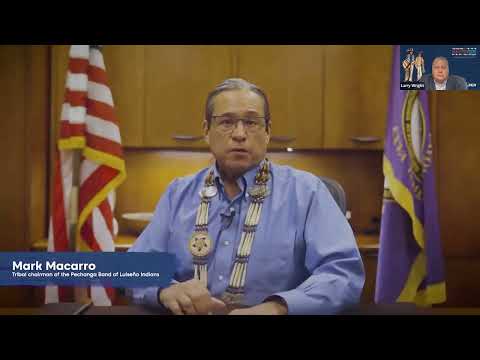
At a National Congress of American Indians webinar, leaders detailed federal policy priorities they say should guide candidate commitments and federal action: converting key tribal program funding from discretionary to mandatory or advanced appropriations, creating portability for Indian Health Service (IHS) benefits, and addressing an infrastructure backlog across Indian country.
Larry Wright Jr. said that, in exchange for ceded lands, tribal nations were promised services and funding that have often remained discretionary and vulnerable to budget uncertainty. "Indian country funding should not be affected by federal funding uncertainties during budget negotiations or under continuing resolutions," Wright said, arguing that mandatory or advance funding would better fulfill treaty and trust obligations. The speakers pointed to December 2022 advanced appropriations for IHS as an example of change but said wider reform is needed.
Dr. Aaron Payman and Wright highlighted a 2017 NCAI figure that the tribal infrastructure backlog exceeds $47.8 billion, with line items cited in the webinar for IHS facilities, sanitation, Bureau of Indian Education (BIE) schools and housing. Payman also referenced Department of the Interior investigative reports on boarding schools and a separate estimate (Volume 2, as cited by the speakers) of roughly $23.3 billion in present‑value costs tied to forced assimilation and related harms.
Speakers discussed jurisdictional stability following recent court rulings and urged enactment of laws to close gaps—Wright said decisions such as McGirt have positive implications for tribal jurisdiction but other cases (referred to in the transcript as Aliphant v. Suquamish) have created limits that lawmakers should address.
NCAI asked candidates to adopt platform priorities related to healthcare portability, advanced funding, climate resilience and streamlined land‑into‑trust rules. Organizers said briefing papers and policy summaries would be available on nativevote.org to help tribal leaders educate candidates and evaluate campaign promises.
No legislative action was taken during the webinar; speakers framed these as advocacy priorities to bring to candidates and federal policymakers.