Lifetime Citizen Portal Access — AI Briefings, Alerts & Unlimited Follows
NCAI webinar urges Native turnout, offers mini‑grants and a 'sovereignty ticket' for candidates
Loading...
Summary
National Congress of American Indians leaders urged tribal turnout, announced a mini‑grant program and a candidate 'sovereignty ticket,' and pointed attendees to resources on nativevote.org to mobilize voters in battleground states.
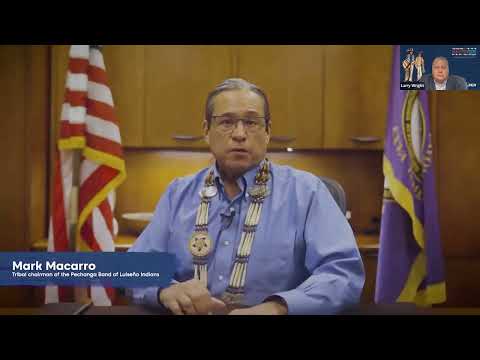
The National Congress of American Indians (NCAI) on a weekday webinar urged tribal leaders and organizers to make the Native vote decisive in upcoming elections and announced new outreach resources, including mini‑grants and a refreshed nativevote.org portal. NCAI Executive Director Larry Wright Jr. framed the effort as both a civic obligation and a means to press candidates to uphold treaty and trust obligations.
"Bad officials get elected by good people who don't vote," Wright said, urging participants to mobilize voters in battleground states where small margins have historically decided elections. Wright described a planned "sovereignty ticket" — a set of candidate priorities NCAI will publish to help Native voters identify contenders who support tribal sovereignty and federal obligations to tribes.
Dr. Aaron Payman, the NCAI‑designated Get Out the Vote campaign manager, said the work behind the current push is short and intense: a launch video, trusted‑messenger videos featuring Native leaders and celebrities, updated online toolkits and training materials, and mini‑grants to support local outreach. "We're trying to promote people to participate in the democratic process and vote," Payman said, and urged attendees to use the new toolkits for media outreach and voter planning.
Leaders emphasized practical resources. NCAI reported it had received a $500,000 grant for the program and has requested several million more in philanthropic and grant funding; Wright described a new foundation intended to magnify philanthropic dollars directed to Indian country. Mini‑grant eligibility includes tribal governments, Native‑led 501(c)(3)/(4) organizations and native vote collectives; applications and guidance are available at nativevote.org.
Youth and regional leaders highlighted field examples. Rory Wheeler, a Seneca Nation member, urged youth engagement in Michigan, Arizona, Nevada and Montana. Regional leaders described tactics such as pop‑up polling sites, early‑voting transportation and large community events as ways to increase turnout.
NCAI asked attendees to share local candidate experiences to build a national contact database and stressed that this is an ongoing campaign: NCAI will continue adding resources to nativevote.org, solicit input from tribal nations, and follow up with training materials and application instructions for funding.
The webinar closed with a call to action and an invitation to continue the conversation on nativevote.org.