
Boston officials warn of $80 million FY27 health‑care shortfall; propose 22.6% premium rate increase
Get AI-powered insights, summaries, and transcripts
Subscribe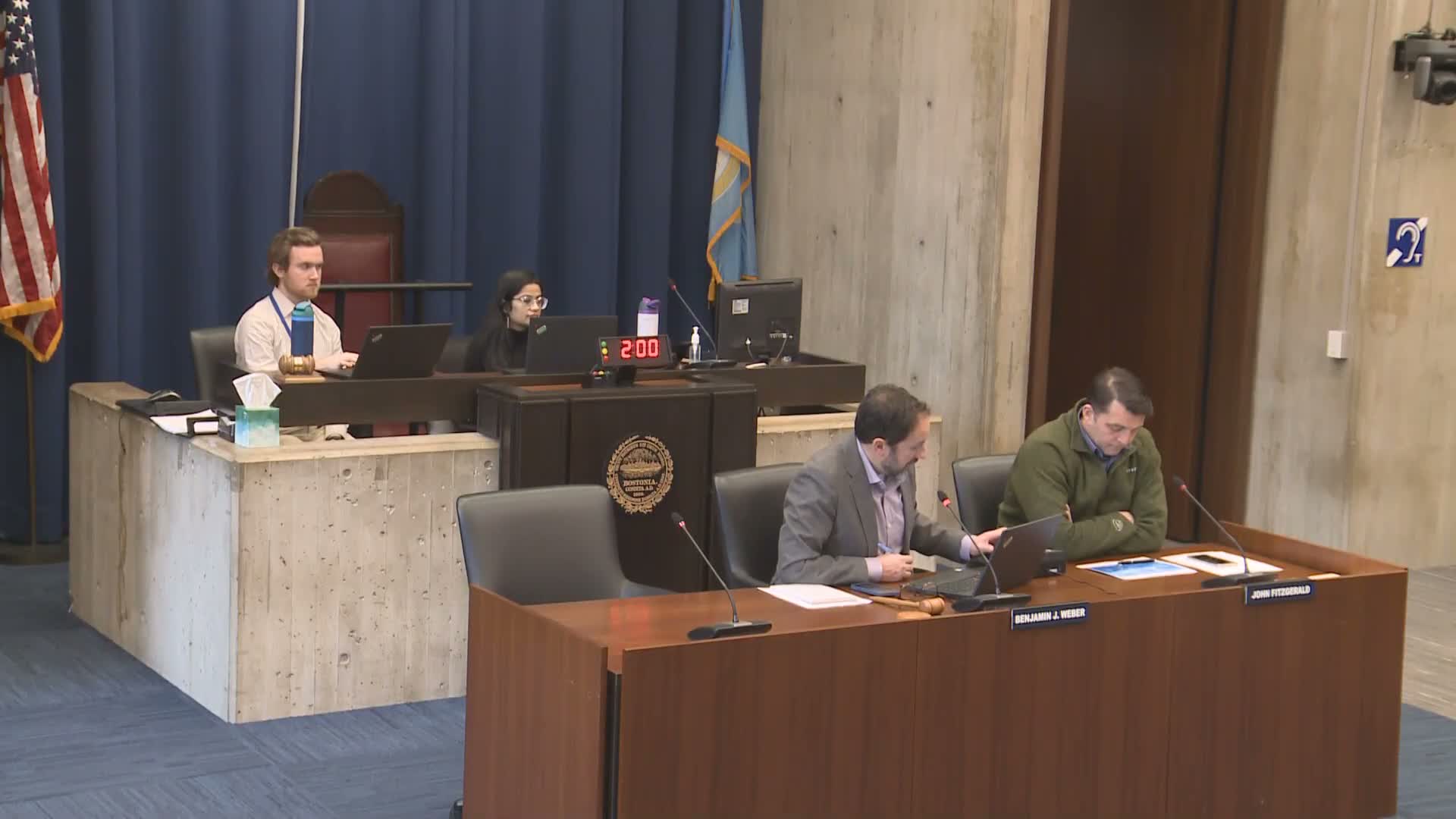
Summary
City finance officials told the Boston City Council Ways & Means Committee the city faces an $80 million jump in employer health‑care costs for FY27, driven by unusually high claims and greater GLP‑1 drug use; the administration proposed a 22.6% rate increase to replenish reserves and keep the self‑insured trust solvent.
Boston finance officials told the City Council’s Ways & Means Committee on Feb. 26 that the city is preparing for an unprecedented rise in employer health‑care costs that could add about $80 million to the FY27 operating budget.
Ashley Grafenberger, the city’s chief financial officer, said Boston is self‑insured and pays claims from a health‑insurance trust fund. After years of running down a surplus to stabilize premiums, the fund was hit in FY25 by ‘‘a series of exceptionally high cost claims’’ and increased utilization of GLP‑1 medications, which together largely exhausted the city’s catastrophic reserve and left the trust near negative by the end of FY26. "We have a fiduciary responsibility to restore the trust and make sure we're able to pay claims," Grafenberger said.
To address the gap and rebuild a portion of the catastrophic reserve the administration proposed a 22.6% rate increase for the city’s non‑Medicare plan, which Grafenberger said would translate into roughly an $80 million increase in the operating budget and an example employee impact of about $148 more per month for a family on the Blue Cross Blue Shield standard HMO.
Grafenberger described two plan‑design interventions that could reduce the projected increase: implementing utilization management for nonspecialty drugs, which the administration says would lower the projected rate increase to about 20.3% and save an estimated $9.2 million relative to the 22.6% scenario; and discontinuing coverage of GLP‑1 drugs for weight loss, which the administration projected would lower the rate increase to about 17.3% and save just under $18 million relative to having no changes.
Councilors repeatedly pressed the administration for more granular data on what drove the FY25 claims spike, how much of the $80 million is attributable specifically to GLP‑1 drugs, and where departments plan to find reductions. Grafenberger said departments have submitted proposals for cuts and that the budget team is reviewing those options; she added the city is also examining central levers and the next PEC collective‑bargaining cycle but did not commit to specific headcount reductions.
The administration noted the city maintains two reserves — an incurred‑but‑not‑reported fund (IBNR) for expected, unpaid claims and a catastrophic reserve that the city holds at 10% of trust fund liabilities — and said the proposed rate increase is intended both to cover expected FY27 claims and to begin rebuilding the catastrophic reserve.
The chair of the committee said the mayor will deliver the balanced proposed budget on April 8, with further hearings scheduled (including a March 5 hearing that will examine non‑health topics), and the council will continue to request data from the administration as it prepares amendments and final votes.