Get Full Government Meeting Transcripts, Videos, & Alerts Forever!
Get email alerts on the Deepfakes Content Provenance topic
No spam. Unsubscribe anytime.
Committee advances AI bill to ban nonconsensual intimate deepfakes, require provenance metadata
Summary
The committee unanimously moved House Bill 276 (first substitute, as amended) to the floor; the bill creates a private right of action for victims of nonconsensual deepfakes, requires platforms to disclose content‑provenance metadata, and directs state IT to pilot provenance disclosure on government sites. Stakeholders urged technical clarifications and a delayed implementation date.
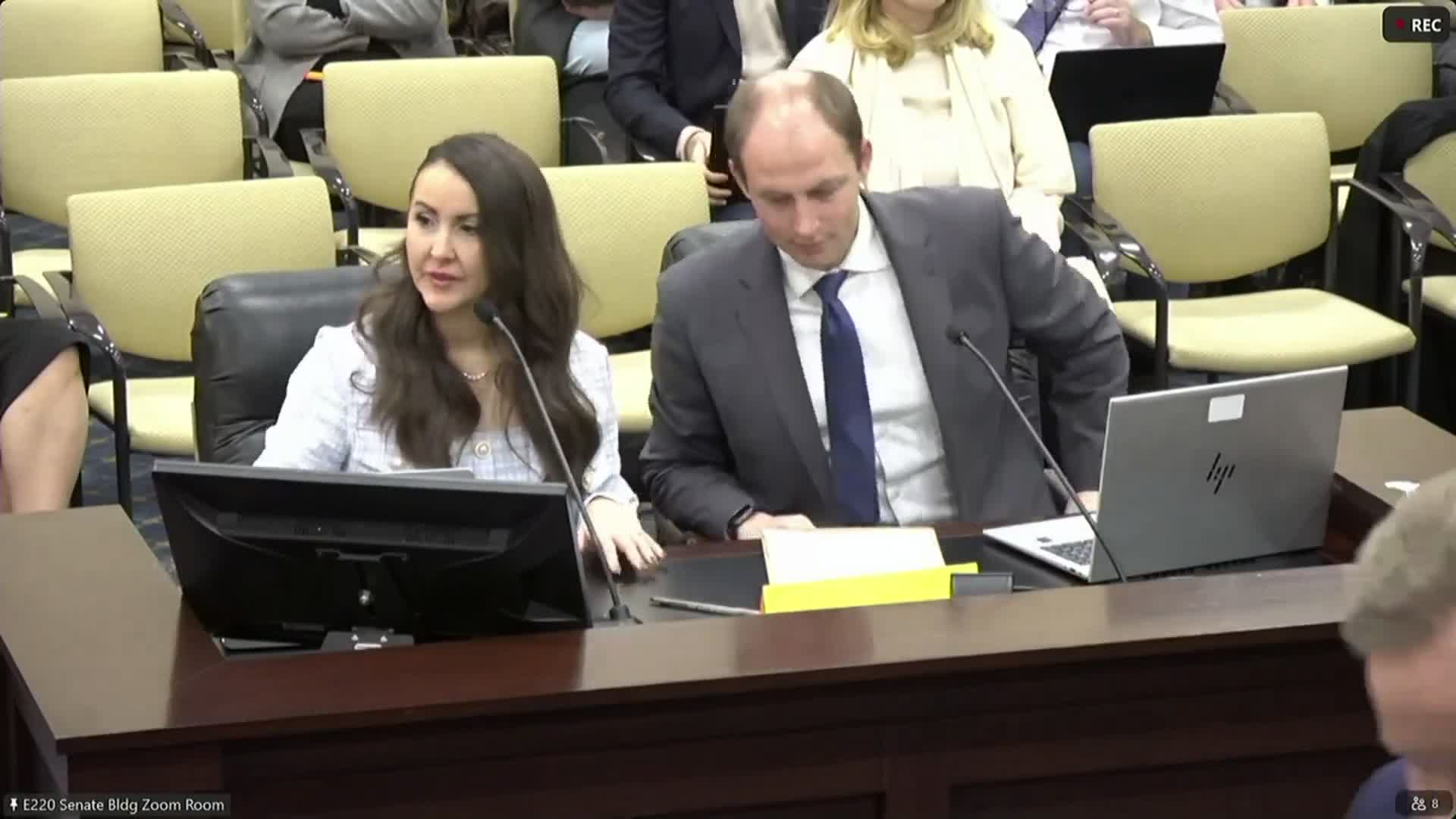
Representatives and the Office of Artificial Intelligence Policy introduced House Bill 276 (first substitute), which would do three primary things: require platforms to obtain consent before publishing deep‑faked intimate images, require disclosure of content provenance metadata so users can see whether an image or video has been altered, and direct the director of the Department of Technology Services to work toward disclosing provenance data on government websites.
Director Zach Boyd (Office of Artificial Intelligence Policy) and the sponsor described technical and enforcement mechanisms. The bill creates a private right of action for victims of nonconsensual deepfakes and provides consumer‑protection enforcement through the Department of Commerce; the sponsor also noted collaboration with the attorney general’s office.
Public comment included state officials and industry: Margaret Willie Bussey (Utah Department of Commerce) and Christopher Bramwell (Office of Data Privacy) supported the trust and identity aims; Scott Stornetta (SureMark Digital Identity Services) praised the bill’s definitional precision and victim remediation framework; May Kennedy (Abundance Institute) and Nathan Trail (Information Technology Industry Council) cautioned that state‑level technical mandates could fragment standards and asked for alignment with voluntary open standards and federal frameworks. The committee adopted a technical amendment (Amendment #3) recommended by industry and then voted unanimously to send the amended first substitute to the floor.
Sponsor and supporters said the bill is narrowly focused on serious harms (nonconsensual intimate deepfakes) and includes safe harbors and heightened pleading standards to limit frivolous litigation. Stakeholders requested continued negotiation on alignment with emerging federal guidance and technical feasibility before implementation.
Next steps: HB276 (first substitute, as amended) goes to the Senate floor; sponsors and stakeholders plan continued negotiations on definitions and safe harbors.