Get Full Government Meeting Transcripts, Videos, & Alerts Forever!
Get email alerts on the Commercial Drivers License topic
No spam. Unsubscribe anytime.
Committee backs measure to flag driving schools after English-proficiency CDL failures
Summary
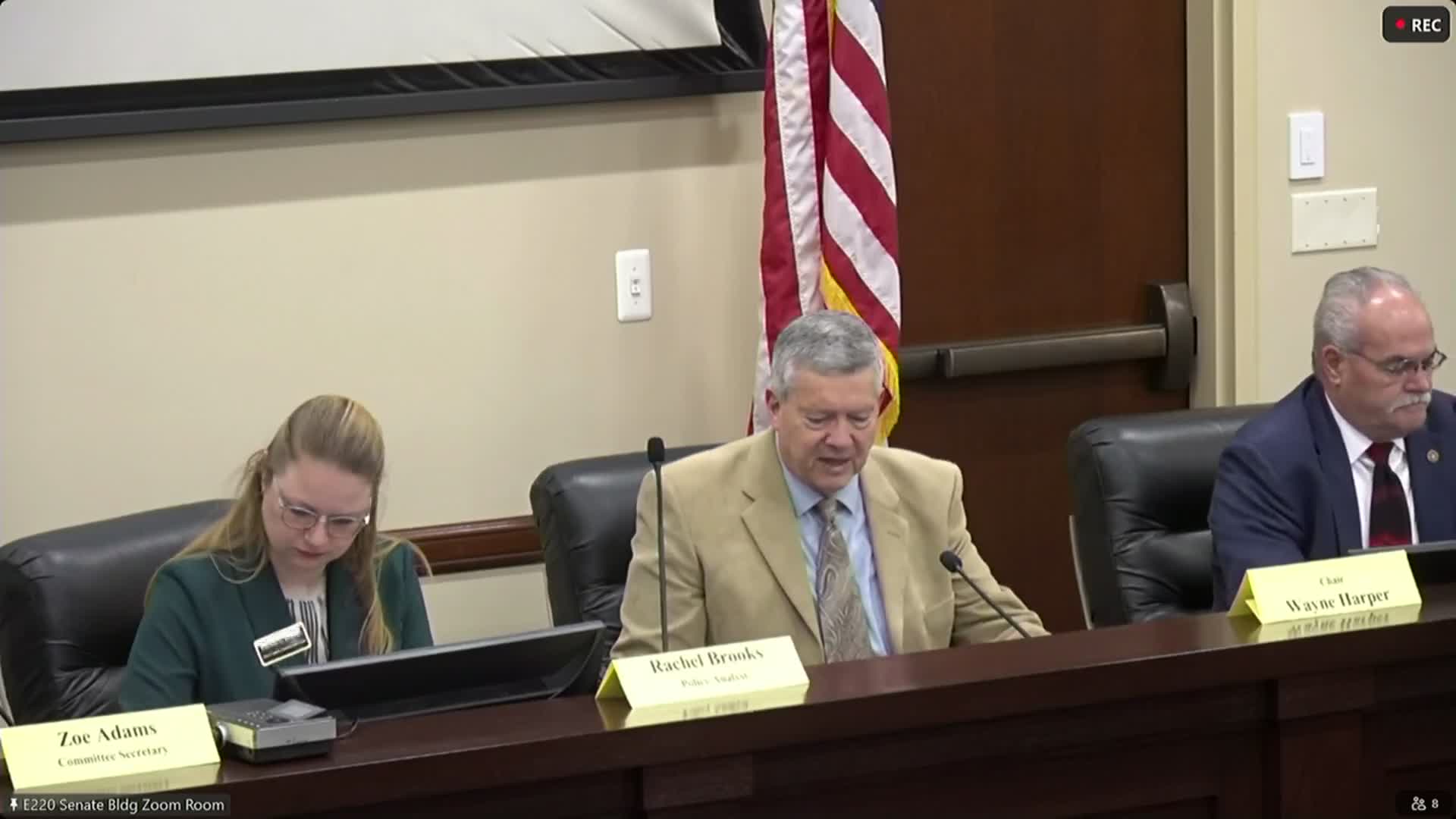
The Senate Transportation Committee favorably recommended a substitute to HB118 requiring testers to notify the Driver License Division when applicants fail CDL tests because of English proficiency so the Division can track patterns by school; sponsor said the goal is to identify bad-actor training programs, not penalize students.
Representative Perucci introduced House Bill 118 (second substitute), saying third‑party testers reported an inordinate number of CDL applicants failing because they are not proficient in English and that some private driving schools charge thousands of dollars while failing to disclose English-proficiency requirements. "They will charge someone thousands of dollars" for training and then those students fail the test, Perucci said, presenting the bill as both a public‑safety and consumer‑protection measure.
Perucci told the committee the federal CDL program already requires English proficiency for those taking the learner’s permit and that the bill would add a reporting step at the testing level: if a tester fails a student for lack of English proficiency, the tester would notify the Driver License Division of the school the student attended. "The school is the more important component here because we're trying to get bad actors," Perucci said, and offered to work with colleagues to remove applicant names from state code while preserving school‑level tracking.
Senators debated privacy and scope. Senator Kwan warned that keeping applicants’ names and reasons for failure in a state database risks creating a list of people identified as non‑English speakers and sought to remove names while retaining the Division’s ability to track patterns. Senator Winterton questioned whether the state should change reporting tied to a federal program; senators who supported the change emphasized public‑safety risks if drivers cannot read road signs or respond to official inquiries.
Public testimony came from Rick Clasby, executive director of the Utah Trucking Association, who said the association supported the bill as a modest check to ensure qualified drivers, citing out‑of‑state incidents in California and Florida. After debate and an unsuccessful motion to adopt a first substitute, the committee adopted the second substitute and then voted to send HB118 to the Senate floor with a favorable recommendation, recorded as passing the committee by a 5–1 margin.
Next steps: HB118's second substitute moves to the Senate floor for further consideration. The sponsor said she will continue to work with colleagues to refine language around whether individual names remain in state code.