Get Full Government Meeting Transcripts, Videos, & Alerts Forever!
Get email alerts on the Great Salt Lake topic
No spam. Unsubscribe anytime.
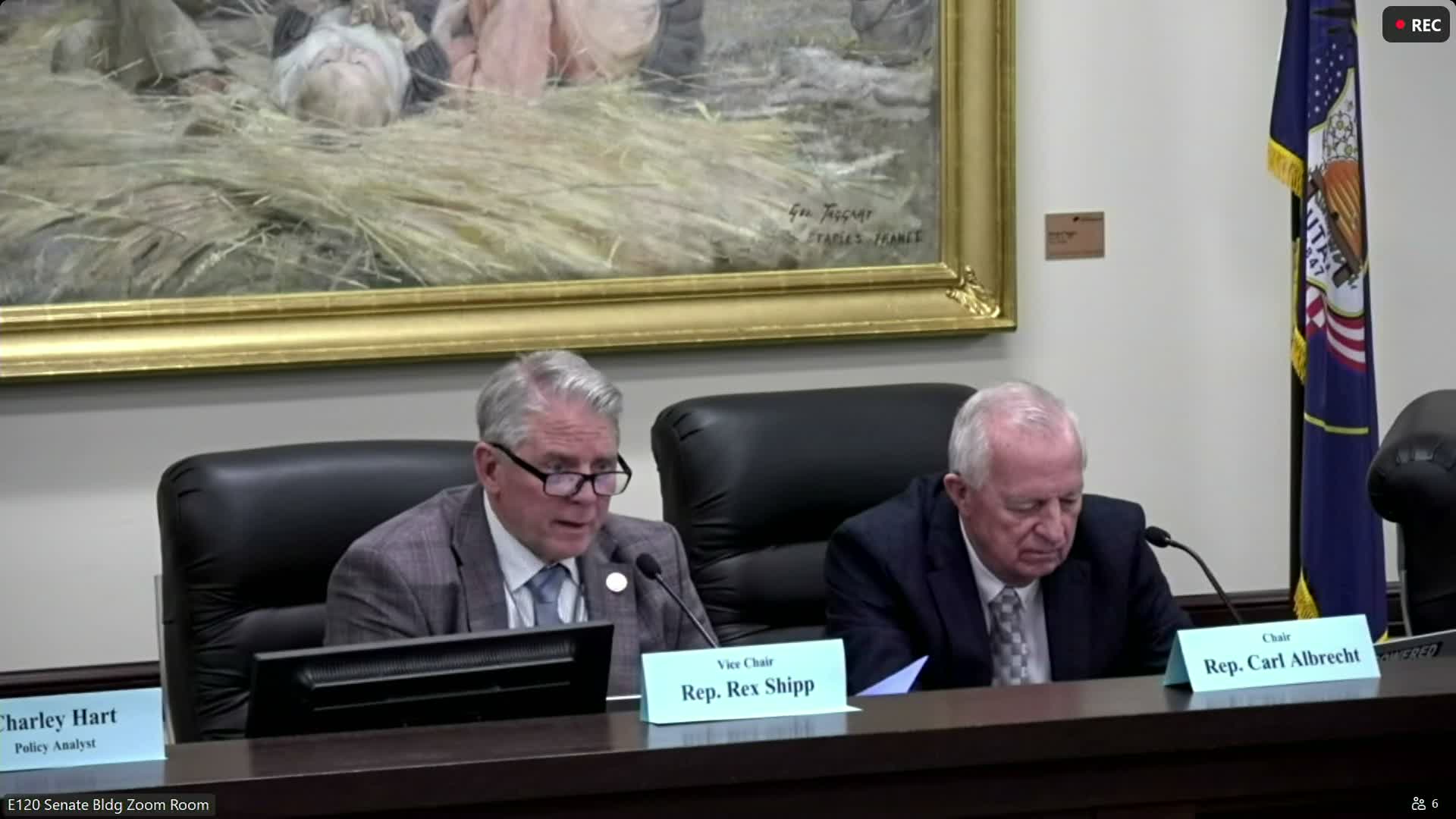
House committee approves substitute HCR 9 urging federal partnership to restore Great Salt Lake
Summary
Representative Karianne Lisonbee introduced a substituted concurrent resolution urging federal agencies and partners to support Great Salt Lake restoration; the committee adopted the substitute and passed HCR 9 with a favorable recommendation after brief public comment supporting long-term watershed approaches.
Representative Karianne Lisonbee introduced a substitute to HCR 9 on Feb. 26, asking federal partners to continue support for efforts to restore the Great Salt Lake and noting recent discussions between President Donald J. Trump and Governor Spencer Cox about federal assistance. The substitute calls attention to the lake’s ecological and economic importance and to philanthropy and local donations that supporters say are already committed.
Lisonbee told the committee that the resolution highlights the Great Salt Lake’s role in regional climate and water systems and refers to both private philanthropic commitments—she said about $200 million had been pledged—and water donations from The Church of Jesus Christ of Latter‑day Saints. Reading a post she attributed to President Donald J. Trump, she summarized his remarks as expressing interest in helping the state and using federal resources to address the lake, but she said no dollar amounts were promised by the president.
In public comment, Jeff Salt, secretary of the Utah Anglers Coalition, said anglers and related businesses support efforts to protect the Great Salt Lake but urged the committee to preserve watershed‑scale measures and recreational values while authorizing any large investments. Salt told the committee Utah has “over 450,000 licensed resident anglers” and said those anglers contribute roughly $2 billion annually to the state economy.
The committee adopted the first substitute to HCR 9 and then voted to pass HCR 9 (substitute) out with a favorable recommendation by voice vote. Committee members emphasized that the resolution requests continued federal partnership rather than committing state funds to specific projects. The committee’s action advances HCR 9 for further consideration in the legislative process.
The resolution text cited a wide range of potential restoration costs; the sponsor described those numbers as preliminary estimates and characterized much of the expense as potential water‑rights acquisition costs. The committee did not appropriate funding at the hearing and took no binding action beyond the favorable recommendation.
A next procedural step is the bill’s movement through the House where members will consider the committee report and any floor action.