Get Full Government Meeting Transcripts, Videos, & Alerts Forever!
OMB presents roughly $467.7 million FY2026 supplemental; House bill totals higher
Summary
The Office of Management and Budget told the Senate Finance Committee the governor's FY2026 supplemental request totals about $467.7 million, covering formula programs, capital fund recapitalizations and operational shortfalls; OMB contrasted that with the House version (HB 2 89), which totals about $489.9 million largely due to fire‑suppression and contingency language.
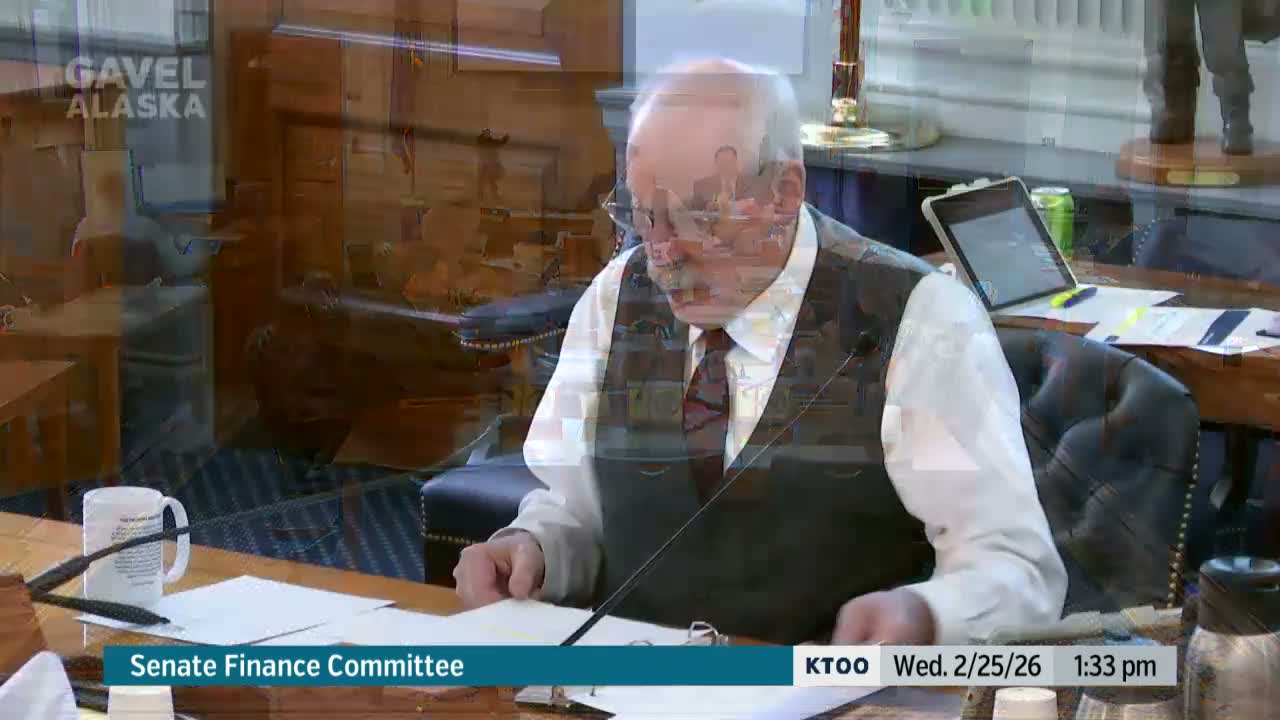
Lacey Sanders, director of the Office of Management and Budget, told the Senate Finance Committee on Feb. 25 that the governor's FY2026 supplemental budget request totals roughly $467.6–467.7 million in unrestricted general funds and reflects a mix of formula obligations, fund recapitalizations and operational shortfalls.
"$467,000,000 is the number that we are talking about," Sanders said as she outlined the administration's package,…
Already have an account? Log in
Subscribe to keep reading
Unlock the rest of this article — and every article on Citizen Portal.
- Unlimited articles
- AI-powered breakdowns of topics, speakers, decisions, and budgets
- Instant alerts when your location has a new meeting
- Follow topics and more locations
- 1,000 AI Insights / month, plus AI Chat