
Committee clears inland-port technical amendments after water-use concerns, 8–1
Get AI-powered insights, summaries, and transcripts
Subscribe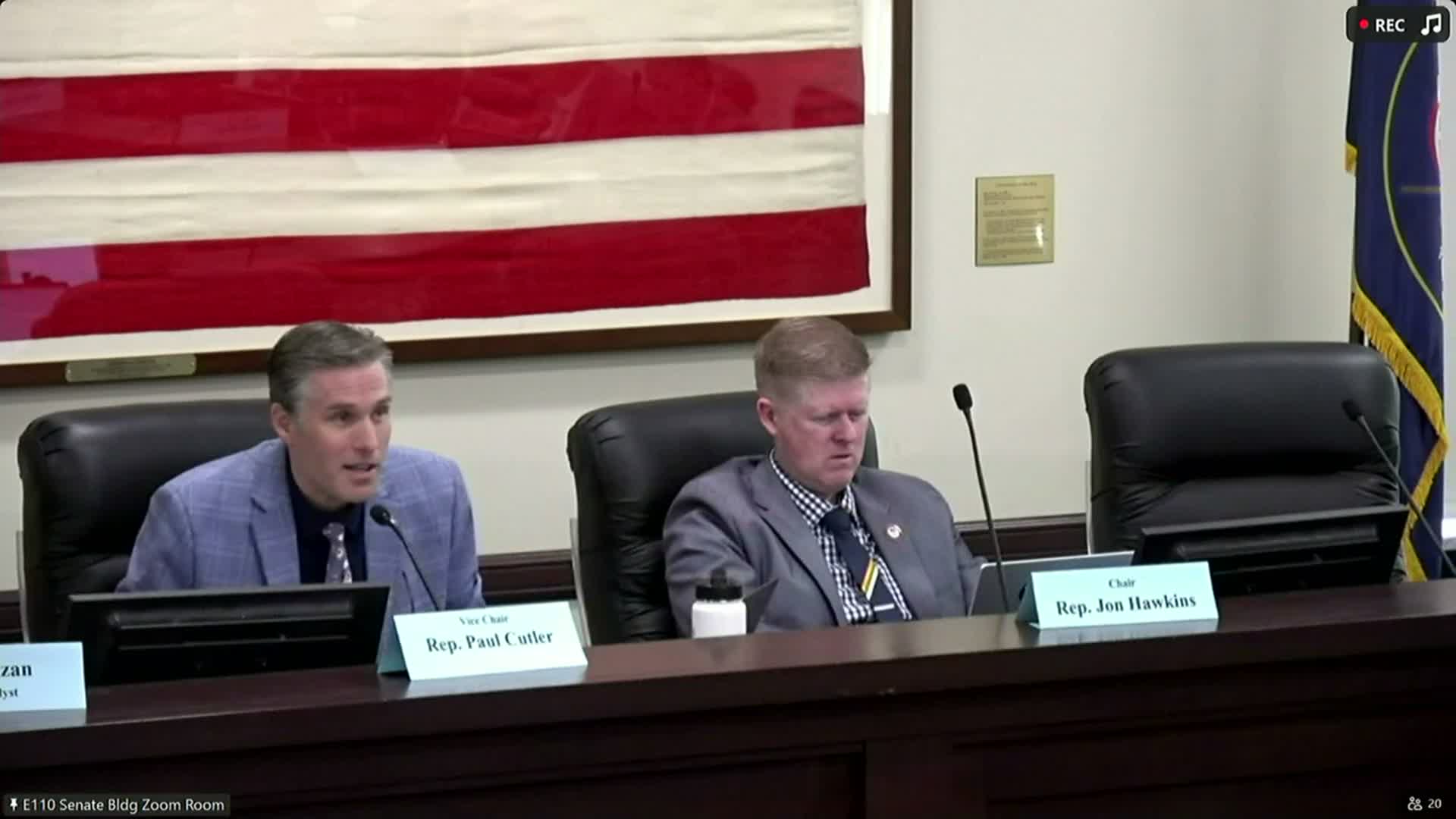
Summary
The committee favorably recommended the second substitute to SB 225, which clarifies inland-port boundaries, distribution-center definitions, and project-area procedures; public commenters urged basinwide water-use caps, and Inland Port officials said the sub defers to local caps and that they will avoid water-cooled data centers.
Senator Stevenson presented the second substitute to SB 225 on Feb. 26, describing technical fixes and clarifications for inland-port project areas, including a definition of distribution centers, methods for defining project-area boundaries (legal descriptions, GIS files), and a trigger for when tax increment financing applies. He said the sub also clarifies procurement and development authority in the Fair Park district for projects inside Salt Lake City’s development rules.
Ben Hart, executive director of Inland Port Operations, told the committee the changes are procedural and do not expand the inland port’s boundaries or authority; they formalize how the authority would adopt boundary changes or triggers for tax increment areas. Hart cited a prior Beaver County issue as the impetus for clearer legal-description language.
Public comment focused heavily on water use. Multiple speakers, including Joan Gregory and Monica Hilding, urged that the inland port’s water-use limits — a 200,000-gallon-per-day cap cited in a Salt Lake City interlocal agreement — should apply basinwide to all inland-port project areas in the Great Salt Lake Basin. They warned that allowing high water-consuming projects near the lake could dewater wetlands and harm the lake’s hydrology.
Hart and the sponsor responded that the substitute was informed by Salt Lake City’s language and that the sub preserves local maximums rather than imposing a single basinwide cap; they emphasized the port’s policy goals to avoid water-cooled data centers, to apply wetland protections, and to dedicate funds to Great Salt Lake protection (sponsors cited existing contributions and future commitments totaling millions for wetlands and lake projects). Hart said the port has policies that would prevent use of financial tools for wetland destruction in project areas.
Representative moved and the committee voted to favorably recommend the second substitute to SB 225 by roll call, 8–1. Committee members said the sub resolves language questions about water limits and boundaries while preserving local control and clarifying operational procedures for project areas.
Next steps: SB 225 proceeds to the full House. The sponsor and Inland Port leadership indicated willingness to provide additional written clarifications about water caps and project-area policies as the bill moves forward.