Public Health defends staffing growth and Home for Every Neighbor costs as council demands inspection and enforcement data
Loading...
Summary
Department of Public Health leaders told council the department has expanded staffing and programs, described lead‑prevention work and the Home for Every Neighbor housing effort (roughly 188 people housed, about 100 currently active) and warned that program funding cuts could risk housing for about 100 people later this summer; council asked for inspection, rental‑registry and grant breakdowns.
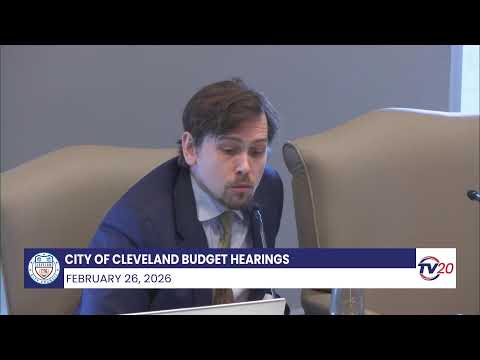
Department of Public Health Director David M. Margolius gave the Committee of Finance a budget overview on Feb. 26 and defended expanded staffing and new programs while answering detailed council questions about lead prevention, immunizations, and the Home for Every Neighbor initiative.
The department described four divisions — health, environment, air quality, and health equity — and emphasized data transparency through the open data portal. “We are striving to be the most responsive, trusted, and impactful health department in the country,” Margolius said during his presentation.
Home for Every Neighbor: scale, cost and compliance
Margolius told council the city has housed about 188 individuals through Home for Every Neighbor and currently supports roughly 100 active participants in housing placements resulting from encampment outreach. “With this council support, we have housed 188 individuals, directly from campsites,” he said. The department estimated spending about $20,000 per individual (rent plus case management) and reported the average monthly rent the program pays is about $1,095. Margolius said roughly $1.7 million of the program’s $1.9 million line supports rent, with the remainder for case management.
Council members raised enforcement and safety questions. Several council members asked whether units used in the program had required LEHI (lead inspection) certifications and were on the city’s rental registry. Margolius acknowledged there were initial gaps when the program was run externally and said that after bringing the program in‑house the department is prioritizing inspections, rental‑registry compliance and safer unit standards. He warned, however, that if council funding for the program were cut later this summer, as many as 100 people could face eviction when program subsidies end.
Public health staffing, immunizations and inspections
The department also described substantial staffing increases — from roughly 90 to about 150 employees with grant positions included — and explained several new program lines moving into the department such as lead prevention and the Home for Every Neighbor components. Margolius and commissioners noted changes in how immunization metrics are reported (separate flu/COVID datasets) and said they will provide clearer, correlated strategic plan materials and grant funding breakdowns in the budget book next year.
Air quality and tobacco licensing
Commissioners described an ongoing update to the city’s local air pollution control code and briefed council on a freshly launched tobacco retail licensing program; staff said about 200 retailers had purchased permits and that youth‑buy compliance checks produced a high failure rate in recent testing.
Council requests and next steps
Council asked for multiple follow‑ups: ward‑level lists of food‑safety citations and prosecutions for 2025, a breakdown of grant funding for 2025 across public health divisions, detailed line‑item explanations of contractual services and professional services that rose sharply in recent years, and data on how many Home for Every Neighbor units had LEHI certification and rental registry compliance. Margolius committed to providing the requested materials and to bringing the strategic plan materials into the budget book next year.
No formal votes were taken. The hearing recessed for lunch with the committee to reconvene at 1 p.m.