Get Full Government Meeting Transcripts, Videos, & Alerts Forever!
Get email alerts on the Tourism Dmo topic
No spam. Unsubscribe anytime.
Visit North Tarrant pitches DMO to Saginaw, seeks $35,250 hot‑tax investment and KPIs
Summary
Visit North Tarrant presenters told the Saginaw City Council that a chamber‑incubated destination marketing organization could draw out‑of‑area visitors and boost local hotel and sales tax receipts; staff and council pressed for measurable KPIs and cautioned the city to track short‑term rental impacts and equity of benefits.
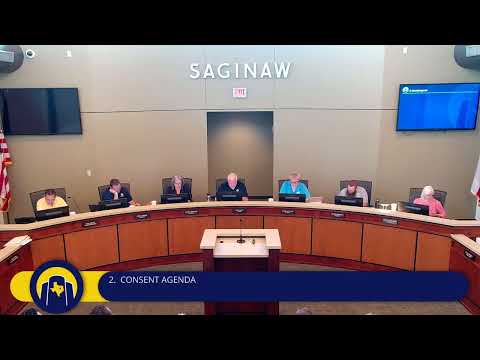
Visit North Tarrant presenters Jack and Audra told the Saginaw City Council on Feb. 26 that a regionally run destination marketing organization (DMO) could bring outside spending into Saginaw and North Tarrant County. The presenters asked Saginaw to join as a partner city with an initial investment of $35,250, to be funded from hotel‑occupancy (HOT) tax receipts.
Why it matters: A functioning DMO would aim to attract visitors who spend on lodging, restaurants and events — dollars that typically do not come from Saginaw residents. Council members said a DMO could be used strategically to recruit a full‑service hotel and increase room nights, but they pressed for concrete measurements before committing public funds.
Audra, who introduced the DMO concept and its functions, described how a DMO centralizes advertising, builds tourism products and provides a website and searchable business profiles for participating businesses. "Destination management organization is here to help you enhance your economic development," Audra said, explaining the DMO would target visitors from nearby attractions and larger regional draws such as Texas Motor Speedway.
Jack described a chamber‑based incubation model that reduces startup costs. He cited a sample budget number the presenters previously used and said the chamber option lets Saginaw participate at roughly half the cost of stand‑alone startup. "The initial investment as we highlighted last time: dollars 35,250 for the city of Saginaw," Jack said.
Council members and staff focused questions on realism and accountability. One council member pressed for evidence that even a small share of regional visitor flows would yield the projected tax gains; presenters said the percentages cited were illustrative and that real‑world data and dashboards would be used to refine targets. The presenters said their platform would provide visitor origin reports and campaign analytics to inform advertising decisions.
On funding and scale, the presenters reviewed HOT tax rules and examples from other Texas communities. They noted HOT tax collections are restricted to tourism‑related expenditures and that Saginaw already has a HOT tax structure. Staff reported the city's consolidated HOT account balance as approximately $303,103 (recent quarter figure) and estimated next‑year HOT receipts around $100,000; presenters said the requested investment could be funded from those revenues but that use must comply with statutory HOT uses.
Council members also asked how success would be measured if the city treated the first year as a pilot. Audra said KPI development should be a collaborative decision of the DMO advisory board and the city: typical metrics include room nights, website visitor origins, and visitor spending captured through tourism analytics tools.
Mayor Todd Flo emphasized a top priority: attracting a hotel to Saginaw. He said he saw the DMO as a lever for recruiting lodging and conference amenities that would give residents and visitors a higher‑quality option in town.
Next steps: Council indicated interest in returning with a formal agreement that would include an advisory board composition, KPIs and a reporting cadence. Staff and council asked the presenters to provide more granular estimates of business participation (for example, the number of restaurants and tourism businesses to be included) and to return with a one‑year pilot plan and quarterly reporting schedule.