
Committee studies SNAP 'Healthy Choice' waiver; DHHS warns of implementation costs and retailer burden
Get AI-powered insights, summaries, and transcripts
Subscribe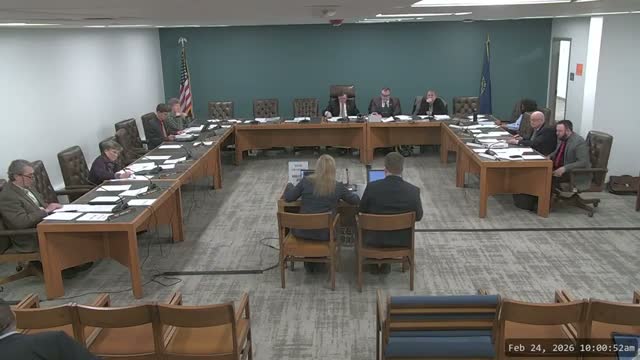
Summary
DHHS outlined two implementation paths for a Healthy Choice SNAP waiver — retailer‑level coding or EBT‑vendor tracking — and estimated state costs up to about $2.6 million for FY29 plus system changes and federal reporting. Retailers and faith groups cautioned against administrative burden and reduced dignity for recipients.
The committee heard testimony on HB 17‑73 FN, which would direct the state to seek a federal waiver to restrict certain items purchased with SNAP benefits and to fund an outreach/education component.
DHHS witnesses Karen Hebert and Brian Clark described two approaches: (1) rely on retailer coding of SKUs so point‑of‑sale systems block disallowed products; or (2) modify the EBT vendor system to receive UPC‑level item data and block purchases at the vendor level. Clark said no state to his knowledge has implemented the vendor‑level approach in the way described and noted that retailer agreements with the USDA Food and Nutrition Service (FNS) currently govern eligibility coding and audits.
Agency officials said restarting a SNAP education program would cost roughly $1.2 million per year. Depending on technical choices and enforcement needs, DHHS estimated state implementation costs could increase by about $2.6 million for state fiscal year 2029, and system changes could take 6–9 months after federal approval; the department recommended planning for June 2027 implementation if it pursued EBT vendor changes.
Retail industry testimony (Kevin Daigle, New Hampshire Grocers Association) warned of large upfront compliance costs to classify thousands of SKUs, retrain staff, and update POS systems, and argued small retailers might stop accepting SNAP. Rob Johnson of the Farm Bureau warned the bill’s definitions could exclude flavored milk and other nutrient‑dense drinks; faith groups said restrictions would stigmatize low‑income families and impair dignity.
Committee members probed definitions for 'candy' and 'sweetened drinks,' cross‑border purchase consequences and enforcement options. DHHS said federal guidance is limited and states have used differing definitions; FNS strongly encourages evaluation components including interviews and retailer/participant surveys.
The public hearing closed with no committee votes; committee members signaled concern about implementation complexity and fiscal costs and asked for further details and potential language clarifications.