Get Full Government Meeting Transcripts, Videos, & Alerts Forever!
Committee backs bill requiring searchable local budgets and 14‑day posting window
Summary
CS for HB 1329 would require counties, municipalities and special districts to post budgets 14 days before public hearings (up from two) in searchable formats and retain final budgets for five years; an amendment carved out smaller jurisdictions and added hardship procedures. Supporters say the change improves public access; local governments warned of implementation costs.
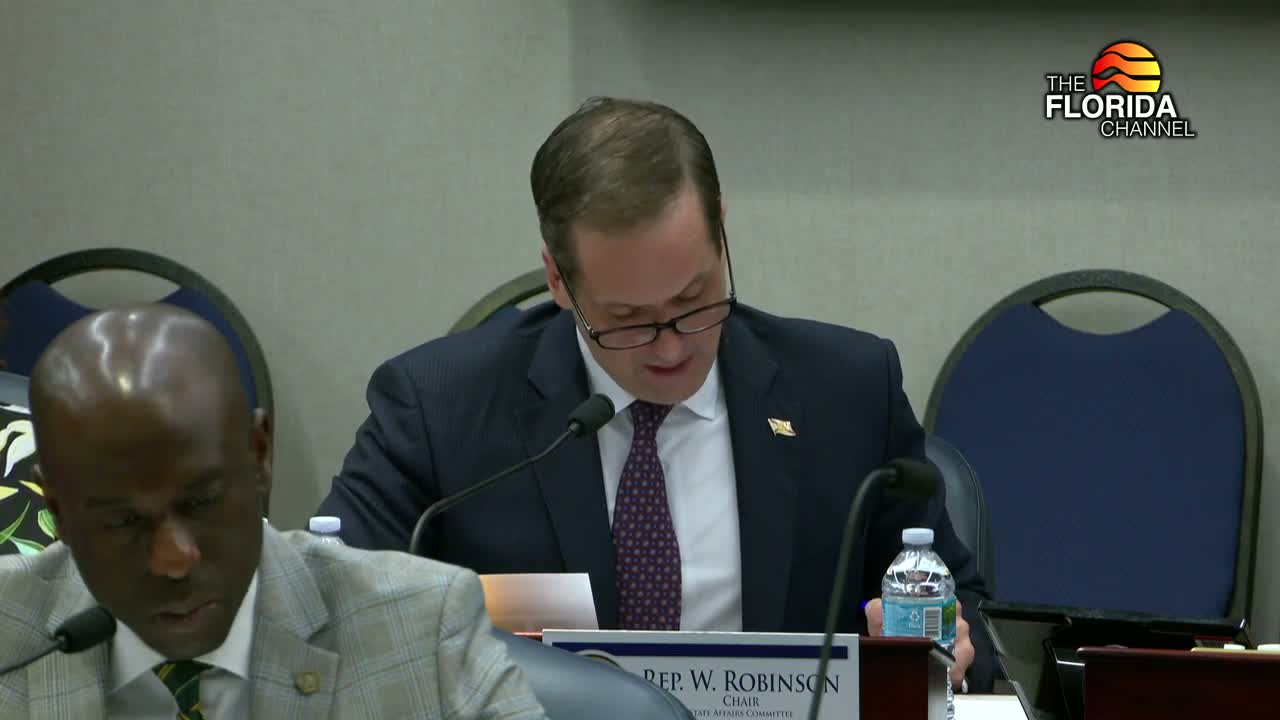
Representative Benaroche presented CS for HB 1329, a bill to modernize local budget transparency requirements. The measure would extend the required online posting window from two to 14 days before a public hearing, require searchable and accessible budget formats (rather than static PDFs), and increase online retention of final budgets and amendments from two to five years. The bill also requires a 10%…
Already have an account? Log in
Subscribe to keep reading
Unlock the rest of this article — and every article on Citizen Portal.
- Unlimited articles
- AI-powered breakdowns of topics, speakers, decisions, and budgets
- Instant alerts when your location has a new meeting
- Follow topics and more locations
- 1,000 AI Insights / month, plus AI Chat