
House committee advances bill letting Florida foster‑care lead agencies drop statutory insurance requirements amid an insurer exodus
Get AI-powered insights, summaries, and transcripts
Subscribe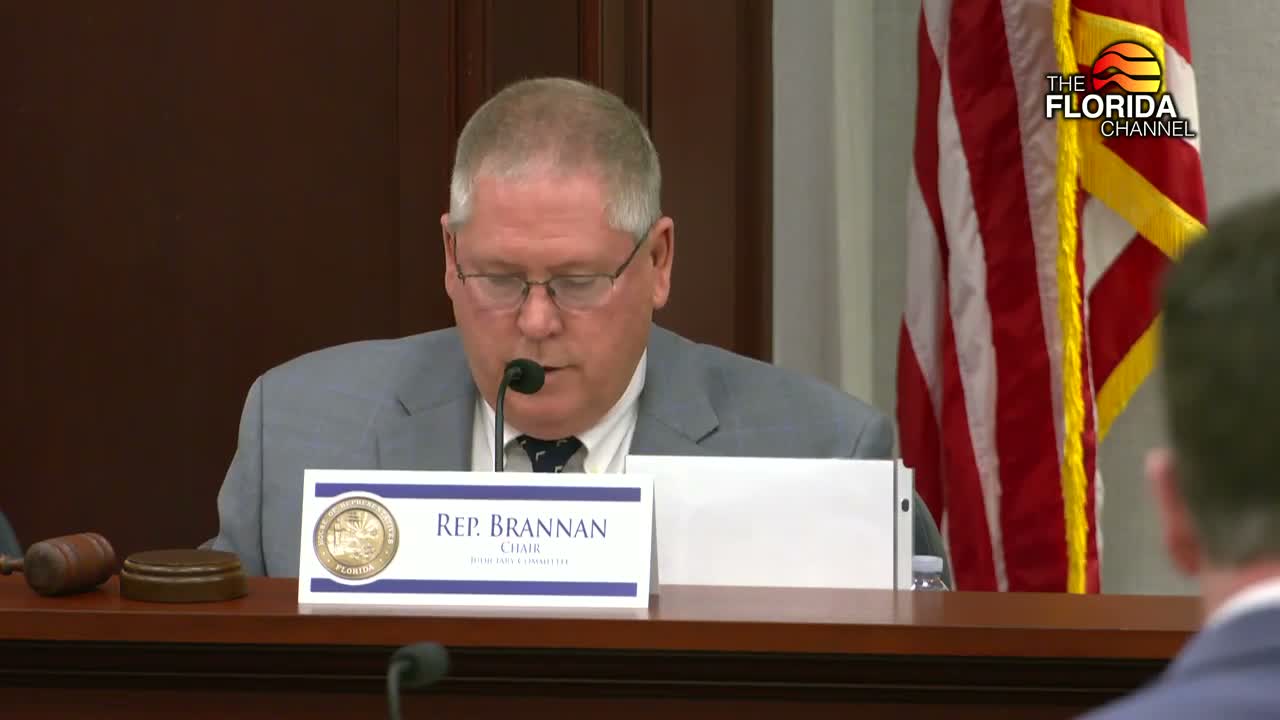
Summary
Lawmakers moved a bill to remove statutory liability insurance mandates for community‑based care lead agencies after sponsors said rising premiums threaten providers’ ability to operate; opponents warned it cuts accountability and could leave injured children waiting years for compensation.
Representative Robert Chamberlain presented CS for HB 529 as a response to an 'insurance crisis' affecting community‑based care (CBC) lead agencies and subcontractors, asserting that some agencies face premium increases of 100% and that only one or two insurers remain willing to write the policies. Chamberlain said the bill "is really about preventing system collapse while preserving meaningful oversight and remedies for children."
Opponents at the committee hearing argued the measure would reduce accountability for children harmed in state‑placed care. Heather Rosenberg, Florida's first children’s ombudsman, testified in opposition: "This bill moves us in the opposite direction," saying the change would allow CBCs to operate without liability insurance beginning in 2026 and would freeze damage caps while medical costs rise. The Florida Justice Association and other legal groups warned that removing an insurer requirement would leave injured children without guaranteed access to coverage and would shift costs and risk to taxpayers through claims bills.
Sponsors said the proposal is intended to keep agencies from being forced out of operation by unaffordable premium demands rather than to prevent agencies from purchasing insurance. Representative Chamberlain told committee members the change "does not require companies to not have insurance" but allows flexibility so agencies aren’t statutorily shut down when insurers withdraw. Several members said they supported the concept but urged additional study and budget alternatives; critics said the state should instead consider a budgetary fix or other front‑end solutions rather than relying on the claims process.
An amendment adopted during committee clarified the bill’s limits and effective date language. After extended debate and public testimony from providers, advocates and legal groups, the committee reported CS/HB 529 favorably as amended (15 yays, 4 nays).
What’s next: The bill was advanced by the committee for further consideration; sponsors said they will continue negotiating technical fixes and potential budget options before floor action.