Get Full Government Meeting Transcripts, Videos, & Alerts Forever!
Get email alerts on the Public Comment topic
No spam. Unsubscribe anytime.
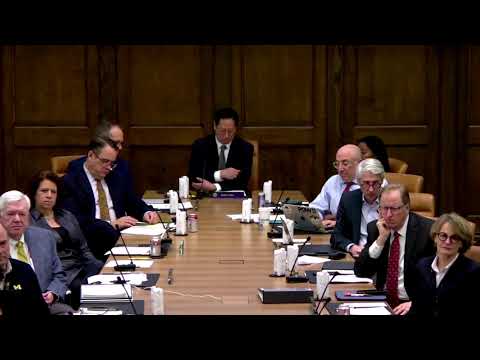
Regents hear public comments on Arboretum train plan, bargaining, campus climate and student needs
Summary
Public speakers urged the Regents to protect Nichols Arboretum from an elevated train route, called for stronger university engagement in labor negotiations, highlighted student housing and food insecurity and urged continued support for race-and-ethnicity course designations and climate commitments.
The Board of Regents heard a sequence of public comments that covered campus planning, labor talks, student needs and curriculum design.
Marta Manildi, president of Ann Arbor Wild Ones, urged Regents to oppose routing any elevated train through Nichols Arboretum as envisioned in Campus Plan 2050, saying it would harm ecology, increase erosion and introduce invasive species and that alternatives should use existing rights-of-way.
Bob Barnett, lead negotiator for the University of Michigan Flint AFT AAUP bargaining team, reported on negotiations that began Oct. 4 and said while tentative agreements exist on many articles (including tenure protections and union rights), economic proposals have not received a response for 96 days and he asked the board to emphasize continued cooperative bargaining.
Student leaders including Mario Thaki (central student government president) described student struggles with housing affordability and food insecurity and requested an ex officio student position on the Board of Regents; Thaki said his administration is working with campus partners on transportation and safe-ride supplements.
Other public commentators raised concerns about institutional silence on incidents of hate, urged continued support for race and ethnicity course designations, and asked Regents to back carbon-neutral commitments and give them the capital and authority to reach net-zero goals.
What the board did: Regents acknowledged the comments, thanked speakers, and pledged follow-up conversations on student issues and broader campus priorities. No formal policy changes or votes were taken in response to public comment at this meeting.