Get Full Government Meeting Transcripts, Videos, & Alerts Forever!
Get email alerts on the Federal Relief Arpa topic
No spam. Unsubscribe anytime.
City reports $64.5M ARPA program with remaining unspent funds under review; interest use uncertain
Summary
Deputy city manager Angela O’Brien briefed council on ARPA implementation—$64.5 million received, programs across people/places/governance underway, roughly $2.5–$3 million reserved for Gainesboro improvements and $1.0–$1.5 million of Star City Works funds remain unspent—while staff await federal guidance on allowable uses for interest earned.
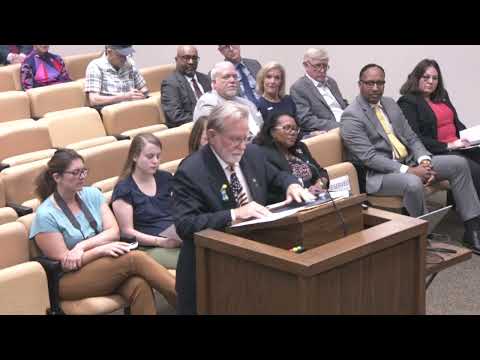
Deputy City Manager Angela O’Brien told Roanoke City Council on Sept. 16 that the city has implemented American Rescue Plan Act (ARPA) funding across three themes—people, places and governance—after community engagement and the Star City Strong Recovery Task Force recommendations. O’Brien said the city received $64.5 million in ARPA funds and that staff have directed money toward public‑health responses, homelessness and workforce programs, small business and arts grants, affordable‑housing assistance, parks and infrastructure projects, and governance supports such as technology and staffing.
O’Brien reported that certain ARPA allocations remain flexible while the city awaits final guidance from the U.S. Treasury and the Government Finance Officers Association about permissible uses of interest earned on ARPA balances. She said the city has earned nearly $3 million in interest and that there may be more limits than previously assumed; staff are preparing for possible corrections and will return with recommendations.
On specific items, O’Brien said Star City Works had unspent funds (initially listed at $1.5 million in the briefing packet but updated in the meeting to an estimated $1.0 million), and she floated reallocating those dollars toward lost‑revenue replacement or capital projects in qualified census tracts—naming Gainesboro Hub street improvements (about $2.5–$3.0 million) and Belmont Library capital work as candidate uses. She cautioned council that some reuses might require additional review to ensure ARPA eligibility.
Council members asked about workforce development priorities, whether interest could be used for substance‑use disorder treatment or affordable housing, and how to accelerate use of unspent balances. O’Brien replied that staff are discussing options with grant partners, the treasury, and GFOA and that flexibility will depend on federal guidance and contractual eligibility for subrecipients.
Judge Patton (guest), and other council members praised the city's transparency and outreach around ARPA spending. O’Brien said staff will return with recommendations based on the Treasury/GFOA review and that certain allocations will be reallocated to support project continuity if permitted.