
Judge gives defense time to respond to West Bend Mutual summary-judgment motion
Get AI-powered insights, summaries, and transcripts
Subscribe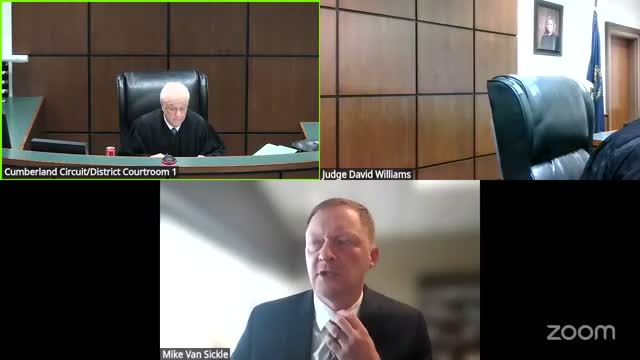
Summary
In West Bend Mutual Insurance v. Fletcher, the court allowed the defense limited time to file a response addressing alleged payments and offsets and set a schedule for reply; the judge emphasized the need for documentation of payments or offsets to oppose the plaintiff's motion.
Plaintiff West Bend Mutual Insurance appeared for a summary-judgment motion in a civil indemnification suit. Mike Van Sickle, appearing for the plaintiff via Zoom, presented the motion; defense counsel argued they had insufficient time and discovery to respond. The judge gave the defense 10 days to file a response identifying any payments or offsets the defendant claims and allowed the plaintiff seven days to reply.
During argument, the court pressed defense counsel for concrete proof of payments or offsets, noting that discovery and documentary evidence are necessary to counter a summary-judgment motion. The judge cut through procedural objections and told defense counsel plainly: "Your clients need to put up or shut up," stressing the need for a specific, documented response rather than generalized assertions.
The court also set follow-up procedural steps to ensure adequate time for discovery and reply briefing consistent with civil rules. The transcript shows the court's practical approach: permit a short briefing window while requiring the defense to outline precise offsets and documentary proof in its response.
Next steps: defense counsel must file a substantive response within the court-ordered timeframe detailing payments or offsets; the plaintiff will have seven days to reply. The court indicated it will then decide whether to schedule a hearing or rule on the motion.