Get Full Government Meeting Transcripts, Videos, & Alerts Forever!
Get email alerts on the Cannabis Regulation topic
No spam. Unsubscribe anytime.
Lakeville council adopts cannabis-business ordinance, limits retail registrations to six
Summary
The Lakeville City Council approved an ordinance amending City Code Titles 3 and 11 to regulate cannabis businesses, add zoning rules and limit retail registrations to six; Councilmember Michelle Volk voted against the ordinance because she opposed the retail cap.
The Lakeville City Council voted to adopt an ordinance amending Title 3 (cannabis businesses) and Title 11 (zoning) of the City Code, adding a new Chapter 38 with baseline performance standards and limiting retail registrations to six.
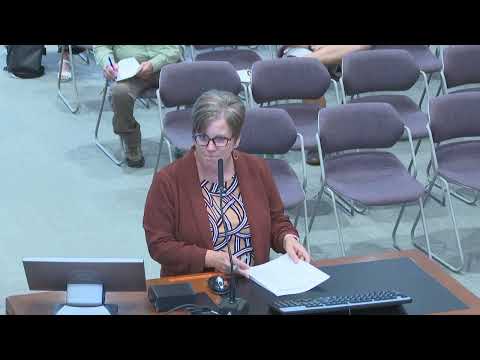
Community Development Director Goodroad told the council the ordinance sets local registration, application and performance standards for cannabis operators and places cultivation, manufacturing and distribution in industrial districts while locating retail dispensaries in retail zoning districts. Goodroad said the ordinance references Minnesota statutes and the Office of Cannabis Management (OCM) rules rather than incorporating detailed state technical standards into local code, and noted the city does not expect dispensaries to operate before summer 2025 when statewide rules and product availability are in place. “The ordinance does include the registrar limit to 6 of the retail registrations, as was discussed at the July work session,” Goodroad said.
The measure establishes a date‑stamped, first‑come, first‑serve process for issuing local retail registrations when licenses become available. Goodroad told the council she has discussed initial caps with peers and industry professionals and that some communities favor a cap to control initial market entry; she said the county-level limit (described during the presentation) could also affect issuance if Dakota County reaches its statutory maximum.
Councilmember Michelle Volk said she opposed the retail cap, arguing the council should not limit the number of businesses the market could support. “I don’t believe in limiting the number of businesses,” Volk said, adding that she preferred leaving market-entry decisions to the private sector and allowing the council to revisit caps if demand warranted. No other member offered recorded opposition during the roll call; the ordinance passed and was ordered published as a summary ordinance.
The council did not adopt OCM technical rules into local code and left those technical matters—ventilation, security and similar operator standards—to state rules, while keeping references to those rules in the city ordinance. City staff indicated future tweaks are likely as OCM and state statute are finalized and local experience accumulates.
What happens next: City staff will move forward with publication of the summary ordinance and implement the local registration process once state licensing and product availability allow dispensaries to begin operations.