Lifetime Citizen Portal Access — AI Briefings, Alerts & Unlimited Follows
FERC chair calls updated transmission rule a stronger, unanimous Order No. 1920a
Loading...
Summary
Chairman Phillips hailed the commission's newly unanimous Order No. 1920a as a reinforcement of transmission reform principles — including long-range planning, grid-enhancing technologies and a renewed role for states in cost-allocation conversations — and said staff will review a recent NERC interregional report to guide next steps.
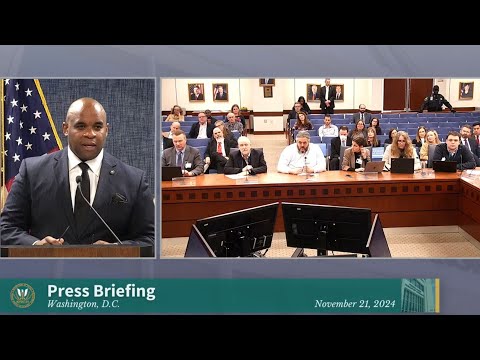
Chairman Phillips on Friday framed the commission's latest transmission decision as a step forward in long‑term grid planning and cost allocation, calling the updated rule 'the unanimous Order 1920a' and saying it strengthens principles first adopted in Order No. 1920.
The chair said the May rule set core principles — including a 20‑year planning horizon, use of grid‑enhancing technologies and attention to both economic and reliability benefits — and that the changes adopted this week make that framework stronger. "The already historic order number 1920 is now the unanimous order 1920a," Phillips said, adding that the update ensures "states ... will be heard."
Why it matters: Order No. 1920 and the amended text prioritize longer‑term planning intended to identify transmission needs across regions and to shape how costs are allocated among utilities and states. Those allocation decisions can affect which projects proceed, who pays for upgrades and how quickly new transmission lines are built to integrate renewable generation.
Phillips also pointed to a new interregional report from the North American Electric Reliability Corporation (NERC) that the commission received this week and said commissioners and staff will "dive into that report" as they consider implementation details. The chair emphasized the rule's twin aims of reliability and affordability, noting that the commission weighed technical solutions and economic benefits when crafting the compromise now in place.
Supporters of wider regional planning and proponents of grid‑enhancing technologies have argued that longer planning horizons will reduce costly retrofit and litigation delays later in a project's life. Opponents and some state regulators have pressed for stronger state input on how costs are assigned; Phillips said the updated rule preserves both long‑term planning goals and an opportunity for states to be heard on allocation choices.
The commission left technical and implementation details to staff and to subsequent filings and stakeholder engagement, and the chair said the agency will proceed with follow‑up actions and collaborations with state and regional partners. For reporters online, staff offered to answer detailed technical questions about the order.