Lifetime Citizen Portal Access — AI Briefings, Alerts & Unlimited Follows
NCD convenes panel to design state toolkit for disability‑inclusive emergency management
Loading...
Summary
NCD hosted a multi‑state panel offering a blueprint for a state toolkit to integrate disability considerations into preparedness, response and recovery. Panelists urged embedding access and functional needs coordinators in emergency operations, funding Centers for Independent Living, accessible alerts and school emergency accommodations — and recommended sample statutory language and stress‑testing templates for states.
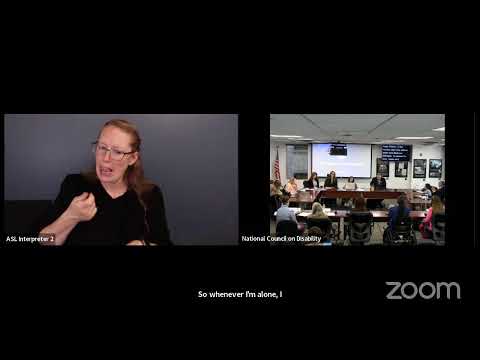
The National Council on Disability convened a panel of state and national practitioners to inform a forthcoming 2026 toolkit that states, tribes and localities can use to ensure emergency management is inclusive of people with disabilities.
Amy (panel facilitator) framed the discussion around the council’s 2026 project to produce a toolkit focused on state and local implementation. Panelists described operational practices, data collection and statutory steps that can improve outcomes before, during and after disasters.
Natasha Fox, chief resilience officer for the Oregon Department of Emergency Management, recommended embedding an equity officer or access and functional needs (AFN) coordinator within the emergency coordination center command structure to advise on evacuation, transportation, sheltering and communications. Fox described Oregon’s use of the Everbridge alerting platform (integrated with FEMA’s IPAWS) and co‑developed, plain‑language alert templates that support screen readers and multilingual formats.
Beth Meyer of the Florida Independent Living Council urged states to recognize Centers for Independent Living (CILs) as essential partners. She described Florida’s post‑disaster coordination after Hurricane Michael, daily coordination calls to identify needs, and the creation of state reporting requirements in the state plan that generated the first comprehensive CIL emergency data collection in Florida.
Kira Tiller, founder of Disabled Disrupters and a student advocate, recounted authoring legislation in Virginia to require emergency accommodations in IEPs and 504 plans for students with disabilities. Tiller said the law passed unanimously in 2025 and described a near miss that spurred her work: a first grader who used a wheelchair and was not reached in a real evacuation.
Lydia Fonseca (South Texas) detailed practical programs — inclusive CERT (Community Emergency Response Team) training, sensory rooms at conferences, accessible emergency kits in multiple formats (braille, Spanish, ASL) and rural pop‑up preparedness events — that make preparedness accessible in diverse communities.
Herman Perotti of the Partnership for Inclusive Disaster Strategies argued AFN integration must be systemwide across Emergency Support Functions, including transportation, mass care, public health and utilities. Perotti noted federal civil rights obligations (Title II of the ADA and Section 504) and said FEMA should publish metrics on how jurisdictions meet disability needs. Panelists described inconsistent FEMA engagement from ODIC since leadership changes and urged technical assistance and enforcement where states lag.
Panel recommendations for the toolkit included: sample statutory language for states to codify AFN roles; an implementation framework and funding pathways; templates to integrate CILs into state emergency plans and MOUs to enable reimbursement; accessible alerting best practices and templates; school‑focused guidance to add emergency accommodations to IEPs and 504 plans; stress‑testing guidance and mock exercise templates; and metrics and data‑collection templates to track outcomes.
While no formal action was taken, council members directed staff to use the panel input to draft the toolkit and emphasized the need to include tribal, territorial and rural communities in the final product.