Lifetime Citizen Portal Access — AI Briefings, Alerts & Unlimited Follows
Senate committee marks 50 years of Indian Self-Determination Act and flags workforce threats to tribal programs
Loading...
Summary
The Senate Committee on Indian Affairs opened an oversight hearing marking the 50th anniversary of the Indian Self-Determination and Education Assistance Act (ISDEA), praising tribal-run programs and urging federal agencies to exempt tribal staff from recent workforce reductions that the panel says are disrupting services.
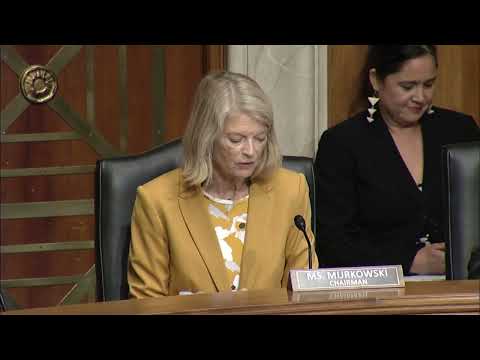
Unidentified Chair, Chair of the Senate Committee on Indian Affairs, opened an oversight hearing to examine the Indian Self-Determination and Education Assistance Act (ISDEA), noting that Jan. 4 marked the law's 50th anniversary and that the committee would review how well federal agencies have supported tribal self-governance.
"We marked the fiftieth anniversary of ISDEA being signed into law," the chair said, describing the law as a unanimous congressional effort that "transformed the relationship between the federal government and tribes by empowering them to take over the administration of federal programs and services." The chair said that when tribes manage programs, "outcomes improve, opportunities grow, and cultures thrive."
The chair highlighted Alaska's experience under tribal self-governance, citing the Alaska Tribal Health Compact as a model. "Alaska is the only state in which over 99% of health programs are managed by tribes and tribal organizations," the chair said, adding that tribal management provides services to "over 170,000 Alaska native people" from Anchorage to the state's most remote areas. Those figures were presented to illustrate tribal capacity; the committee did not provide independent verification during the hearing.
Panel leaders framed ISDEA as a shift away from direct federal administration; the chair noted that programs were historically delivered by the Bureau of Indian Affairs at the Department of the Interior and by the Indian Health Service at the Department of Health and Human Services. The hearing will examine how federal processes, staffing and approvals affect tribes' ability to enter or administer ISDEA agreements.
The chair expressed concern about recent executive orders and reductions in force intended to "optimize the workforce" and their effects on tribal programs. Committee leaders said they have urged the Department of Health and Human Services and the Department of the Interior to exempt tribal programs and tribal staff from planned cuts, and reported hearing from tribal communities about "empty staff positions, shortened deadlines, and ever-circling rumors" of further changes.
The hearing opened with the chair calling for collaborative work among Congress, the administration and tribes to sustain and build on the program's successes. The chair thanked the witnesses for traveling to Washington and yielded to the vice chair to continue the hearing. No formal motions or votes were recorded in the opening statements.