Lifetime Citizen Portal Access — AI Briefings, Alerts & Unlimited Follows
Hill says reconciliation bill would cut Medicaid while creating rural health fund; rescission moves public-broadcasting support to annual appropriations
Loading...
Summary
Representative French Hill described two major elements in a reconciliation bill: a work requirement and provider-tax changes he says could contribute to roughly $1 trillion in Medicaid savings, plus a $50 billion rural-health fund; he also said a rescission package withdrew unobligated Corporation for Public Broadcasting funds and returned them to annual appropriations.
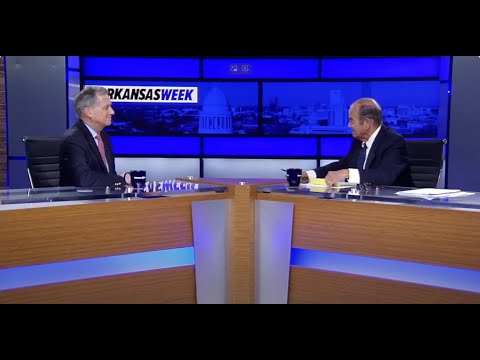
Representative French Hill told host Steve that the reconciliation package under discussion includes two principal mechanisms aimed at reducing Medicaid spending and that the administration has said it wants to "shave $1,000,000,000,000" from the Medicaid budget. Hill framed the changes as (1) a modest work requirement for able-bodied adults — which he said Arkansas has already implemented under previous governors — and (2) limits tied to provider taxes in states with high provider-tax structures.
Hill said Congress included a $50,000,000,000 rural health-care fund to help Medicaid services at rural hospitals and that Arkansas's Department of Human Services "says they're likely to have $500,000,000 potentially contributed to the state coffers from that fund." He argued these provisions would protect rural providers while reducing federal Medicaid spending in states with high provider taxes.
On public broadcasting, Hill said a rescission package withdrew unobligated money for the Corporation for Public Broadcasting and "puts it back on annual appropriations" instead of a two-year appropriation. He characterized the rescission as a withdrawal of unobligated funds rather than a permanent elimination of federal support.
What’s next: Hill said additional rescission proposals could be introduced and that budget and appropriations debates would continue in Congress; he predicted the appropriations process likely will require at least one continuing resolution before final bills are completed.