
Rural teachers tell senators housing, funding and consolidation threaten small schools
Get AI-powered insights, summaries, and transcripts
Subscribe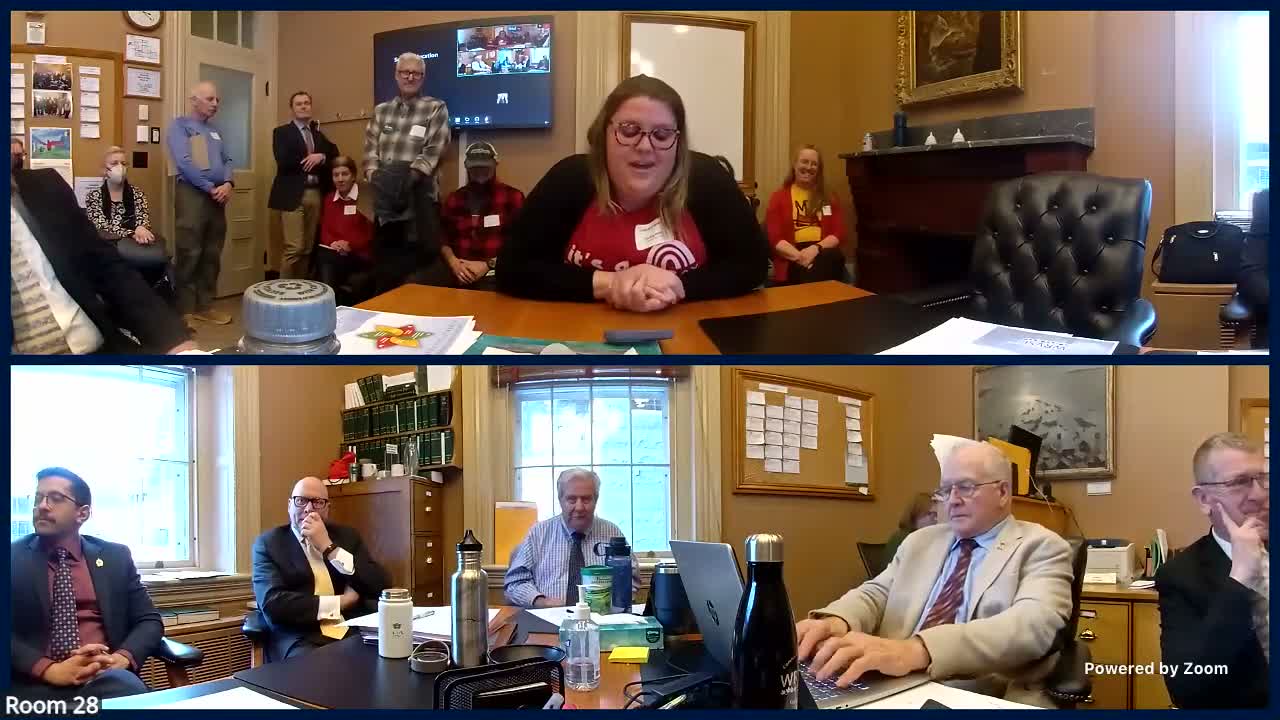
Summary
Teachers representing small and rural districts told the Senate Education Committee that housing shortages, teacher recruitment shortfalls and proposed budget caps or consolidation could hollow out local schools that serve as community centers; speakers urged locally-led solutions and careful review of Act 73 and tax proposals.
Several teachers and association leaders described rural schools as community hubs and warned that housing unaffordability, shrinking teacher pipelines and budget pressures threaten their viability.
Christie Park, a fourth-grade teacher at Birk Town School, described how returning to the classroom and applying social-emotional learning led to dramatic drops in behavior referrals in her cohort. She urged support for teacher preparation and warned that short mentorship programs cannot replace full teacher-preparation curricula: "It would be like asking a doctor to go into the operating room after 2 weeks of training," she said.
Katya Cook, who teaches at Mill River Union High School and serves as co-president of her local education association, outlined the services small schools provide — preschool, outdoor education, AP courses, arts, robotics and community events — and asked lawmakers to preserve local decision-making about programs.
Mark Brown, an English and journalism teacher and co-president of a local association, said budget caps (he referenced Senate 220) would likely force cuts to extracurricular stipends and music programming and urged support for S.104, a funding-shift proposal he said could move some education burden from property taxes to income taxes.
Eric Hutchins highlighted the practical effects of earlier policy changes, praising universal school meals and a recent cell-phone policy as evidence-based improvements, and urged lawmakers to proceed carefully with consolidation proposals such as those contemplated under Act 73.
Committee members asked about trade-offs between consolidation and community stability, and referred witnesses to related testimony in the Senate Finance Committee on property-tax versus income-tax questions. No formal votes were taken.