
Uvalde CISD board approves 2026–27 four‑day hybrid calendar after heated debate
Get AI-powered insights, summaries, and transcripts
Subscribe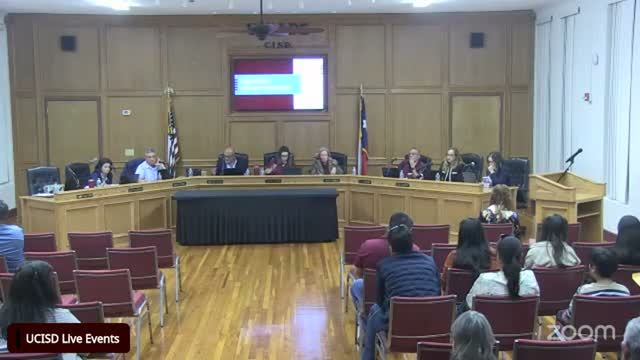
Summary
After extended debate over academic outcomes versus staff recovery time, the Uvalde CISD board narrowly approved a 4‑day hybrid 2026–27 academic calendar by a 3–2 vote; trustees said the decision responds to staff and community input but raised questions about long‑term academic impact.
The Uvalde Consolidated Independent School District board of trustees voted 3–2 to adopt a four‑day hybrid academic calendar for 2026–27 after hours of debate about student performance data, teacher workload and the calendar committee’s stakeholder survey.
The board president, Laura Perez, introduced results from a calendar committee that polled staff and more than 600 community members and presented three proposed schedules. Ms. Graber, a district data presenter, summarized the committee’s process and said the final recommendation reflected staff preferences and community input. She said the packet included comparative research on four‑day schedules and trade‑offs between planning time and instructional minutes.
Opponents argued the board should prioritize evidence of academic outcomes. Trustee Gonzales urged delaying the decision for additional study and for Region 20 to present findings, saying recent statewide analyses recommend five‑day schedules for stronger student performance. “We have to base it on data and our data says five days is recommended,” Gonzales said during the meeting.
Supporters said the calendar responds to staff needs during a multi‑year recovery effort and preserves required instructional minutes. Trustee Flores, who moved to approve Calendar C, said the district’s staff vote and community feedback showed a clear preference and that principals will design master schedules to protect course access. Board members who supported the plan said the district will monitor outcomes and can revisit the calendar if academic progress suffers.
The discussion touched repeatedly on dual‑credit and CTE programs, with some trustees expressing concern that the hybrid schedule can complicate students’ ability to take college courses or participate in time‑sensitive CTE sequences such as welding or FFA. Administration said counselors are working on master scheduling and will report potential conflicts to the board.
The board approved the calendar after the vote; trustees said they expect continued monitoring of academic measures and training implementation during the coming year. The board did not set an automatic review deadline beyond the usual planning processes, but several trustees asked administration to return with impact data after one year of implementation.