
District highlights workforce training expansion, WTC growth, transportation strains and AI pilots
Get AI-powered insights, summaries, and transcripts
Subscribe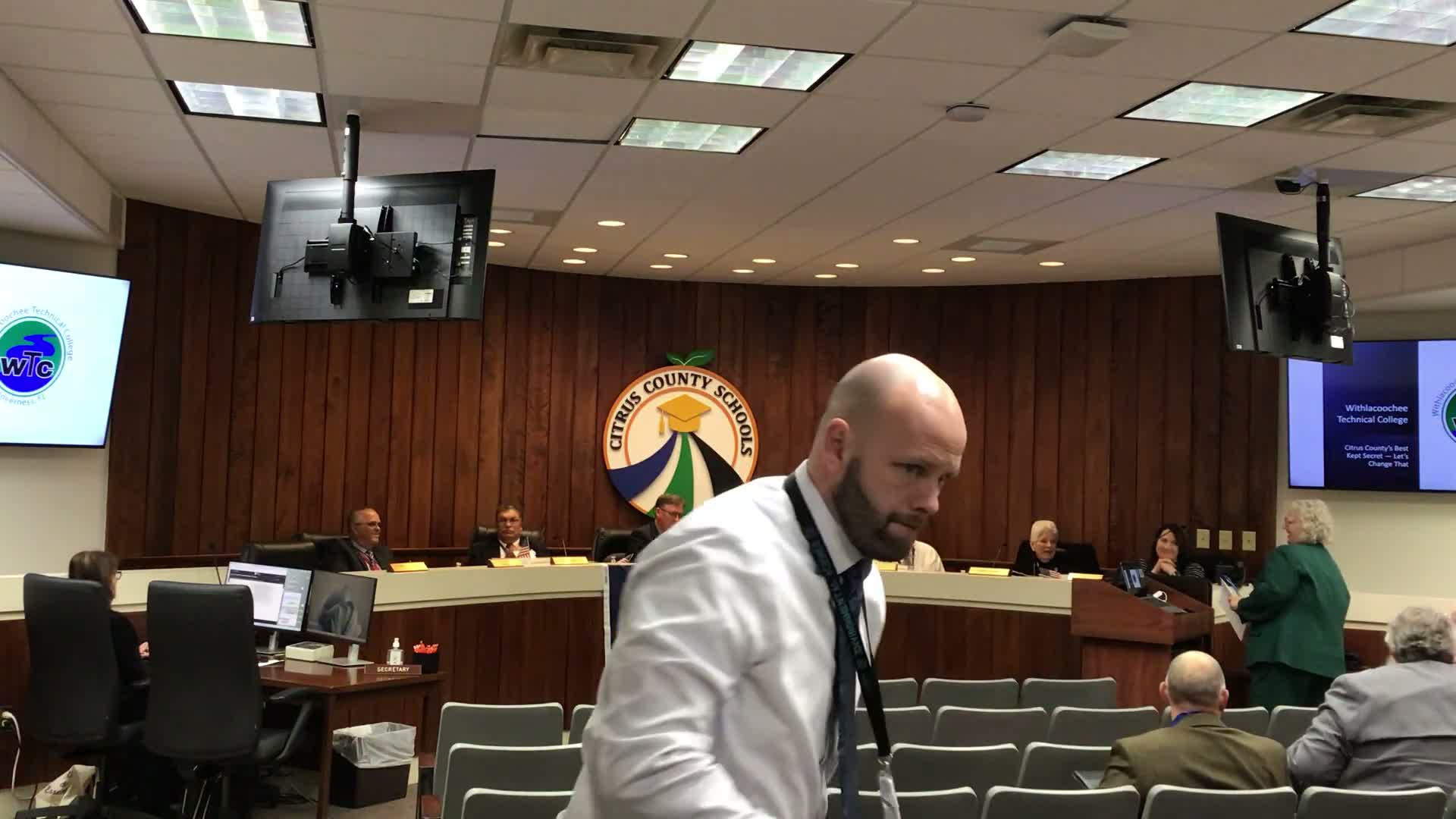
Summary
Workshop presentations outlined WTC program expansion (aviation and RN programs), workforce partnerships and grant plans; transportation staff warned of driver shortages affecting routes; technology staff summarized AI pilots and professional development to expand AI literacy and classroom support.
Workforce and career-technical education: A representative from the district's workforce/technical college (WTC) reported 19 programs serving more than 800 students annually, a 15% enrollment increase over five years and program completion and placement metrics the presenter described as strong (96% completion, 92% job placement, 95% licensure rate). WTC said waitlists have grown—some students have waited up to two years for slots—and described plans to shift to enrollment cycles to reduce backlog and provide real-time enrollment data by January 2027.
WTC expansion plans included a proposed aviation airframe and power-plant mechanic program sited at the Inverness Airport, with an estimated hangar and apron cost and an anticipated multi-year launch timeline. WTC said it will pursue Florida Job Growth grants for a hangar and startup equipment and will present the project to the county commission as it develops the proposal; staff outlined an estimated January 2029 program start and discussed partnering options (county-built facility vs. district-built classroom space).
Transportation and staffing: Transportation staff reported about 8,600 students ride district buses daily and explained funding does not fully cover some routed students (for example BPK and within-mile ridership). The department outlined 14 impacted positions and several open routes (notably in Lecanto and Crystal River) covered by subs and long-term substitutes. Staff said the new cost for a bus rose roughly 25% since COVID and described ongoing recruitment efforts (five drivers in the pipeline) and communications work to notify parents quickly when route coverage changes.
AI in schools and professional development: Technology specialists described district AI efforts and pilots: over 75% of schools have received AI professional development, pilot classrooms are testing AI literacy lessons and Microsoft Reading Coach showed early, classroom-level success with struggling readers who used AI-supported fluency tools without the pressure of public performance. Staff emphasized training on ethics, academic integrity and data privacy, alignment with state guidance and efforts to redesign lessons to prioritize process and higher-order thinking rather than AI-produced end products.
Next steps: WTC will pursue grant applications and county collaboration on aviation facilities and will transition to a new enrollment model; transportation will continue driver recruitment and pilot parent communications/real-time tracking options; technology teams plan to scale AI pilots, integrate AI literacy across grades and monitor equity and privacy impacts.