Lifetime Citizen Portal Access — AI Briefings, Alerts & Unlimited Follows
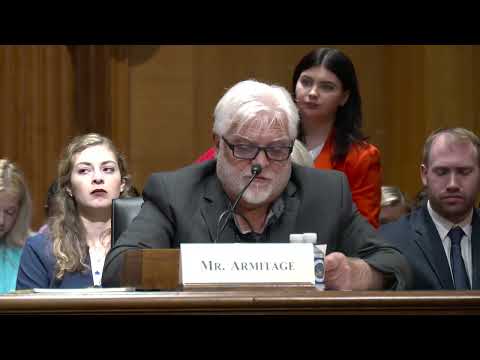
Eugene man tells Senate Finance panel looming changes could make health care unaffordable
Loading...
Summary
Bartley Armitage of Eugene, Oregon testified to the Senate Committee on Finance that years of medical bills and an upcoming policy change could force him to deplete retirement savings, and he urged lawmakers to act to keep health care affordable.
Bartley Armitage of Eugene, Oregon, told the Senate Committee on Finance that mounting medical bills and an impending policy change could force him to spend his retirement savings and leave his family without needed care. "I urge you to take action that keeps our health costs affordable before we're hit with a massive bill like this January," he said.
Armitage told the committee he and his wife, Carla, have faced years of medical challenges. He said Carla suffered a chronic fever the couple believes was caused by "toxic black mold," required a later surgery that resulted in hospital bills he described as "tens and tens of thousands of dollars," and that it took several years to pay off costs insurers did not cover. Armitage said he worked nearly 40 years in construction — 37 as a carpenter — and retired after injuries and surgeries made continued work impossible.
Armitage said many families are in similar situations and that he is worried about a bill he said could raise his health costs by about five times what he currently pays. He described the prospect of having to deplete retirement savings set aside for long-term needs such as nursing home care. "Nobody wants to pay that kind of bill for one month," he said, adding that most people "can't afford it."
He framed his testimony as representing "millions of other American families," asking lawmakers to prioritize use of tax dollars to make care affordable in the United States. Armitage concluded his remarks by thanking the committee and saying he looked forward to their questions. The transcript records only his testimony; the committee's actions or responses are not reflected in the record provided.