Lifetime Citizen Portal Access — AI Briefings, Alerts & Unlimited Follows
Senate questions FDIC nominee on workplace misconduct, staffing and proposed supervision reforms
Loading...
Summary
Travis Hill, President Trump’s nominee to chair the FDIC, faced pointed questioning about a 2023 Cleary Gottlieb review documenting harassment and discrimination, recent FDIC staffing cuts and a rulemaking to narrow supervisory actions; Hill pledged accountability, new investigative offices, and to provide requested reports to the committee.
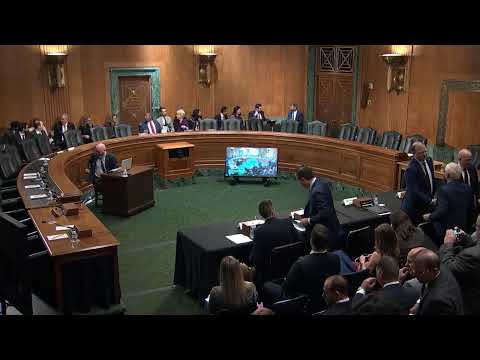
Travis Hill, nominated to serve as chair of the Federal Deposit Insurance Corporation, faced intensive scrutiny from senators over the FDIC’s workplace misconduct and recent policy proposals during a hearing before the Senate Committee on Banking, Housing, and Urban Affairs.
Senators said public reporting and an independent review revealed longstanding harassment, discrimination and other misconduct at the FDIC and demanded specifics on how the agency has responded. Senator Kennedy cited the Cleary Gottlieb review and asked for a 30‑day accounting of firings, prosecutions, demotions and other personnel actions. Hill said the FDIC has created an Office of Professional Conduct and an Office of Equal Employment Opportunity, is conducting investigations and has imposed discipline in some cases, and he pledged to provide the committee the requested information.
Committee members also pressed Hill about workforce reductions and examiner staffing. Senators said the FDIC rescinded at least 200 job offers to examiners and reduced staff “by roughly 20%,” a figure referenced in questioning; Hill replied that safety‑and‑soundness exam positions were “generally preserved” though he acknowledged some small decreases and said the agency went through a workforce reduction plan with careful evaluation.
On regulatory policy, senators warned that recent FDIC proposals could weaken capital cushions at the largest banks and reduce examiners’ ability to raise supervisory concerns. Hill defended a joint proposal with the Office of the Comptroller of the Currency (OCC) that would require matters requiring attention (MRAs) and certain enforcement actions to be tied to material financial harm (losses to capital, earnings or liquidity), saying the goal is to focus supervision on risks that matter most to safety and soundness rather than process compliance.
Senators also discussed deposit‑insurance reform proposals intended to protect payroll and operating accounts at community banks. Hill explained that FDIC assessments are calculated primarily on a bank’s total liabilities and that expanding coverage could change resolution costs and reserve dynamics, but that staff estimates suggested the agency might not need to raise assessments under proposed transition arrangements.
The hearing made a clear distinction between three types of committee requests: (1) factual documentation about personnel actions and investigations, (2) technical questions for the record on supervisory staffing and rule design, and (3) policy debate about deposit‑insurance coverage and capital frameworks. Hill agreed to provide written responses to committee questions and committed to follow up on many requests for detail.
The committee did not take a confirmation vote at the hearing. Senators were given deadlines to submit follow‑up questions for the record and witnesses were asked to respond by the committee’s stated deadlines.