Lifetime Citizen Portal Access — AI Briefings, Alerts & Unlimited Follows
Napa County mosquito director warns Saint Helena to clear standing water as new container-breeding species spreads
Loading...
Summary
At a Saint Helena City Council meeting, the Napa County Mosquito Abatement director urged residents to remove standing water and other small habitat after an invasive container-breeding mosquito has spread across California; he said the species has not been found in Napa County but was detected on Mare Island last year.
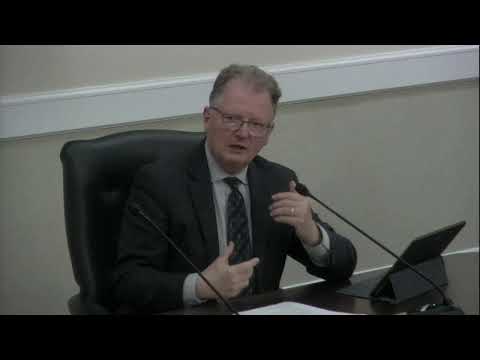
Wes Maffei, director of the Napa County Mosquito Abatement District, told the Saint Helena City Council that an invasive container-breeding mosquito found in California since 2013 is spreading and requires a community response. "No water, no mosquitoes, end of story," Maffei said, summarizing the district’s main preventative message.
Maffei outlined the district’s integrated vector management approach — physical habitat reduction, biological control, limited chemical control and public education — and warned that the insect breeds in extremely small containers such as bottle caps and bromeliad leaf axils. He said the species was first found in the Los Angeles Basin in 2013 and has been detected in multiple Northern California counties; while it had not been confirmed in Napa County at the time of his presentation, it was found on Mare Island last September.
Maffei told the council the mosquito is especially difficult to control because it will breed in the tiniest collections of water and can disperse yards to yards by "skip oviposition" (laying eggs in multiple, small sites). He said adulticides and mosquito fish are of limited use against this species and that the district’s nine-person staff cannot access most private yards, making public cooperation essential.
"If I can't get into the yards, we're talking adulticide. I come from old school mosquito control where the trucks used to go up and down the street fogging," Maffei said, noting that fogging is a less-preferred option and that community education to remove breeding sources is a first line of defense.
Council members asked whether Saint Helena was experiencing an outbreak and about the local mosquito season; Maffei replied that California has year-round mosquito activity but that the species discussed is most active from April through November. He offered to speak with homeowners associations, service clubs and neighborhood groups and asked the council to help publicize nonchemical control strategies.
The mayor and council thanked the district's representatives for the briefing and encouraged staff and community partners to assist with outreach.